CLEANING FUEL TANKS
AFE Services LLC provides specialized services for the cleaning and microfiltration of fuel and oil tanks, ensuring maximum quality, efficiency, and compliance with international standards.
Microfiltration Services for Fuel Tanks
Our Objective
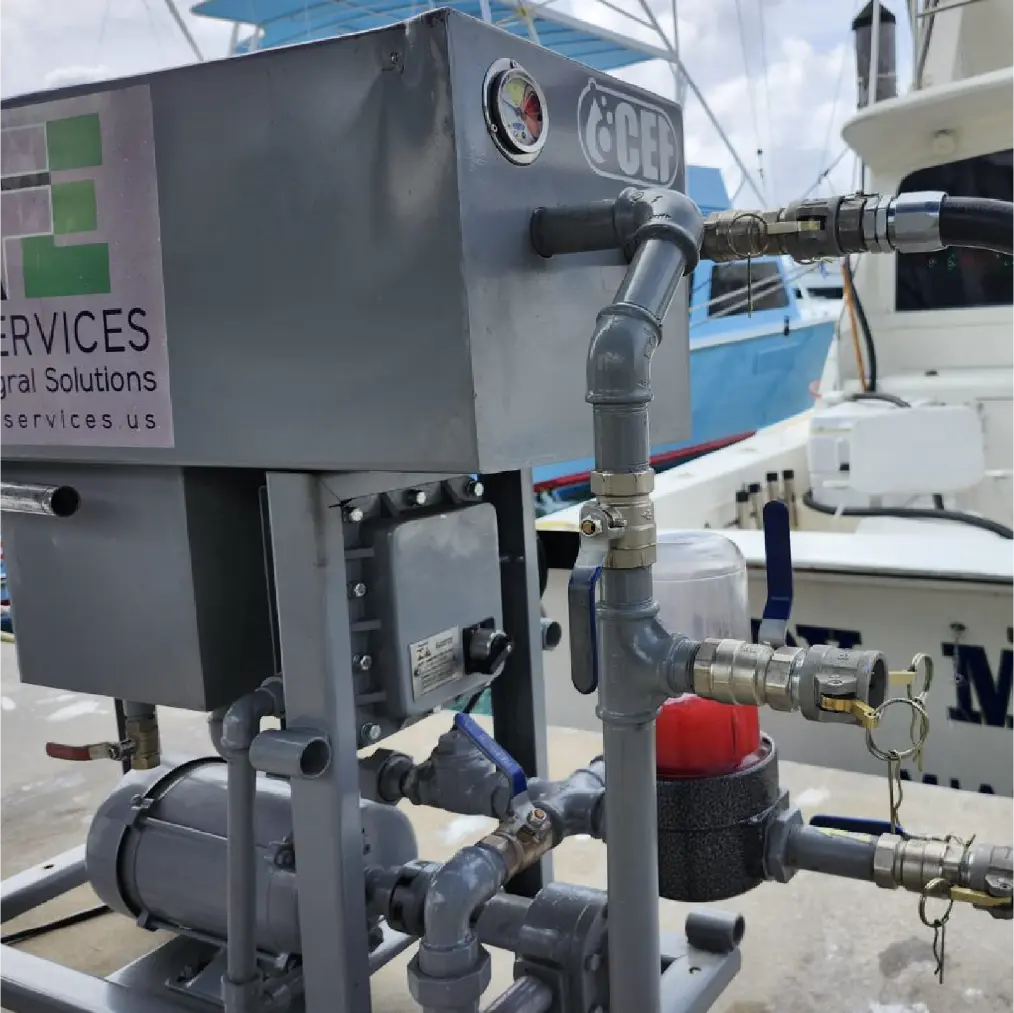
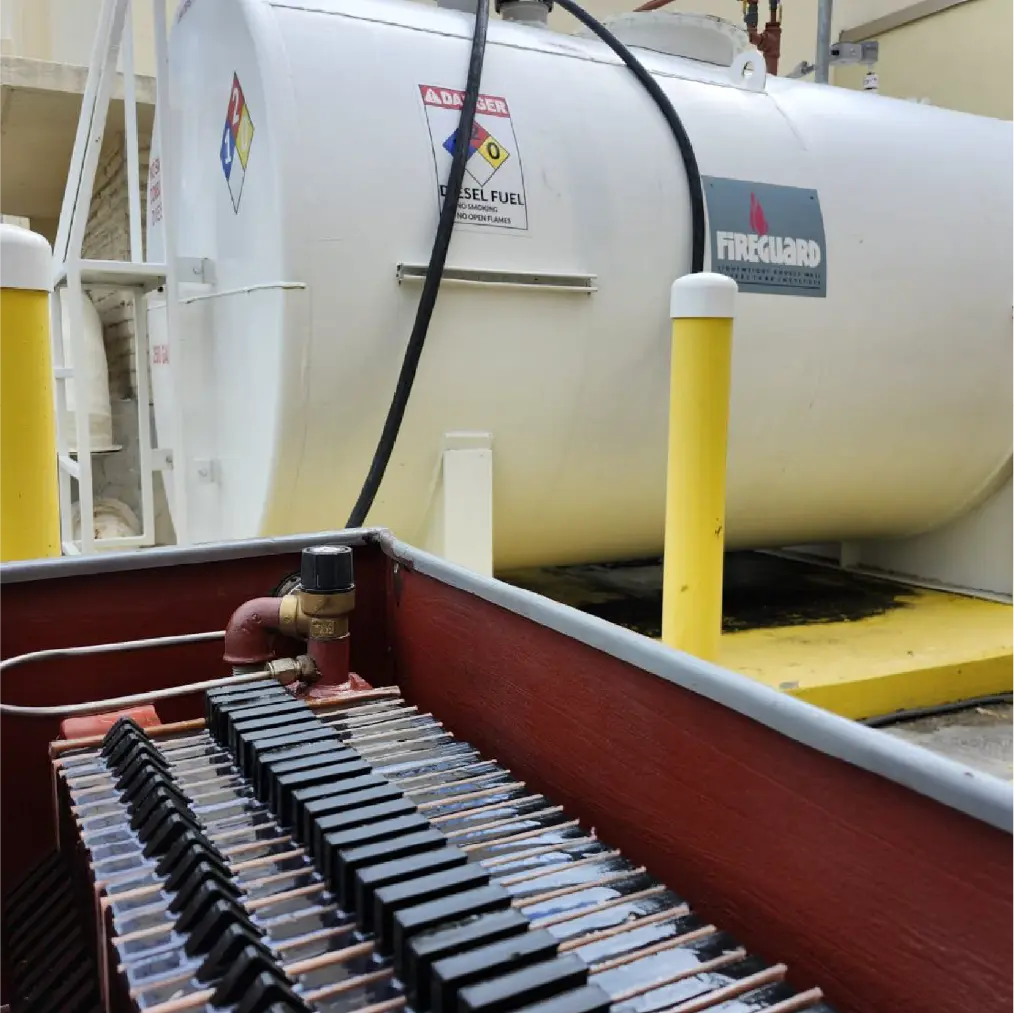
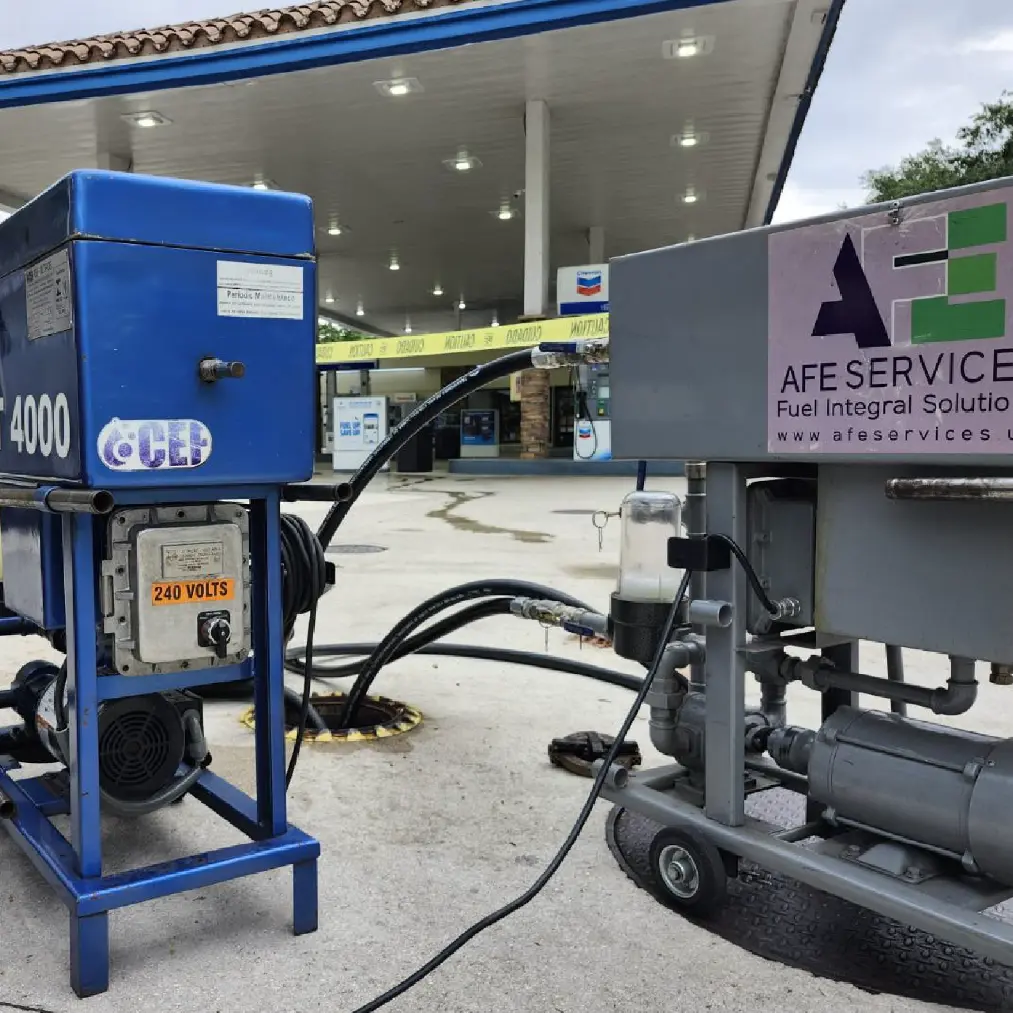
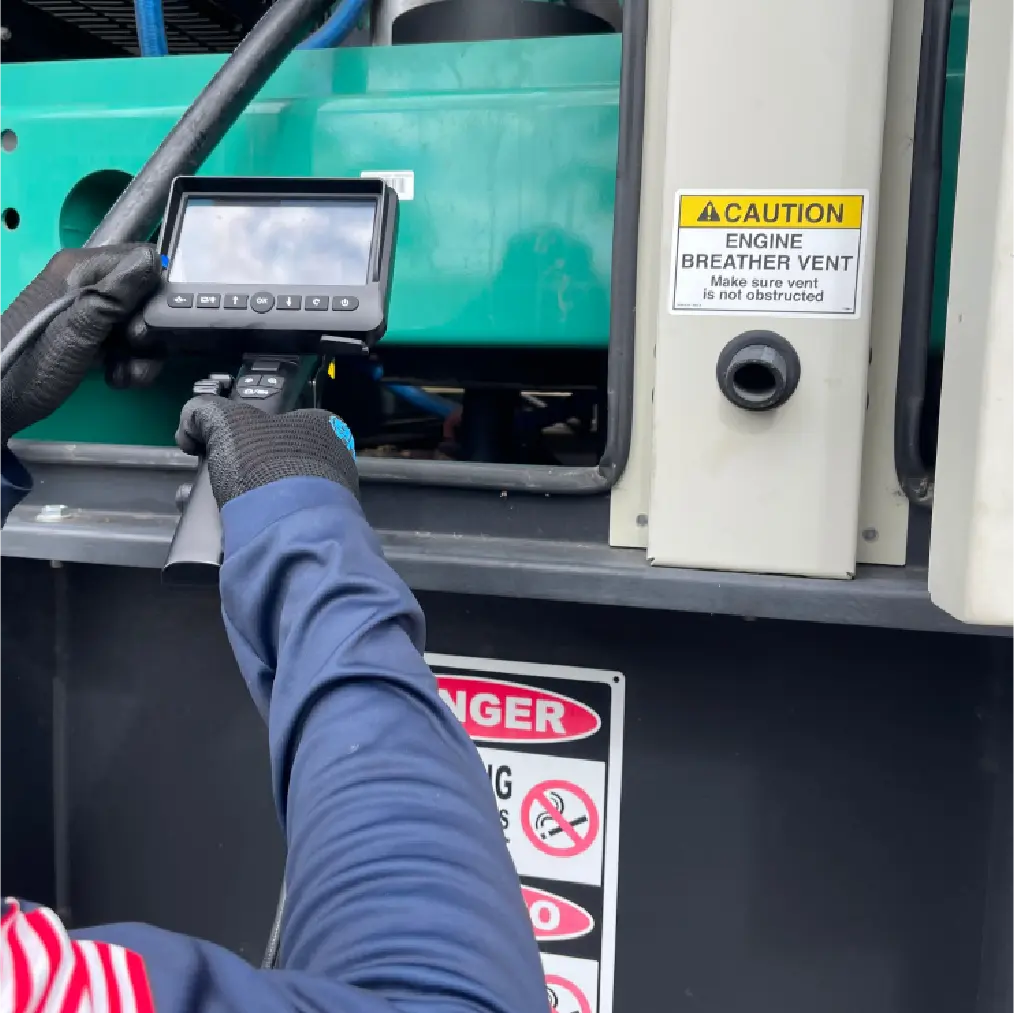
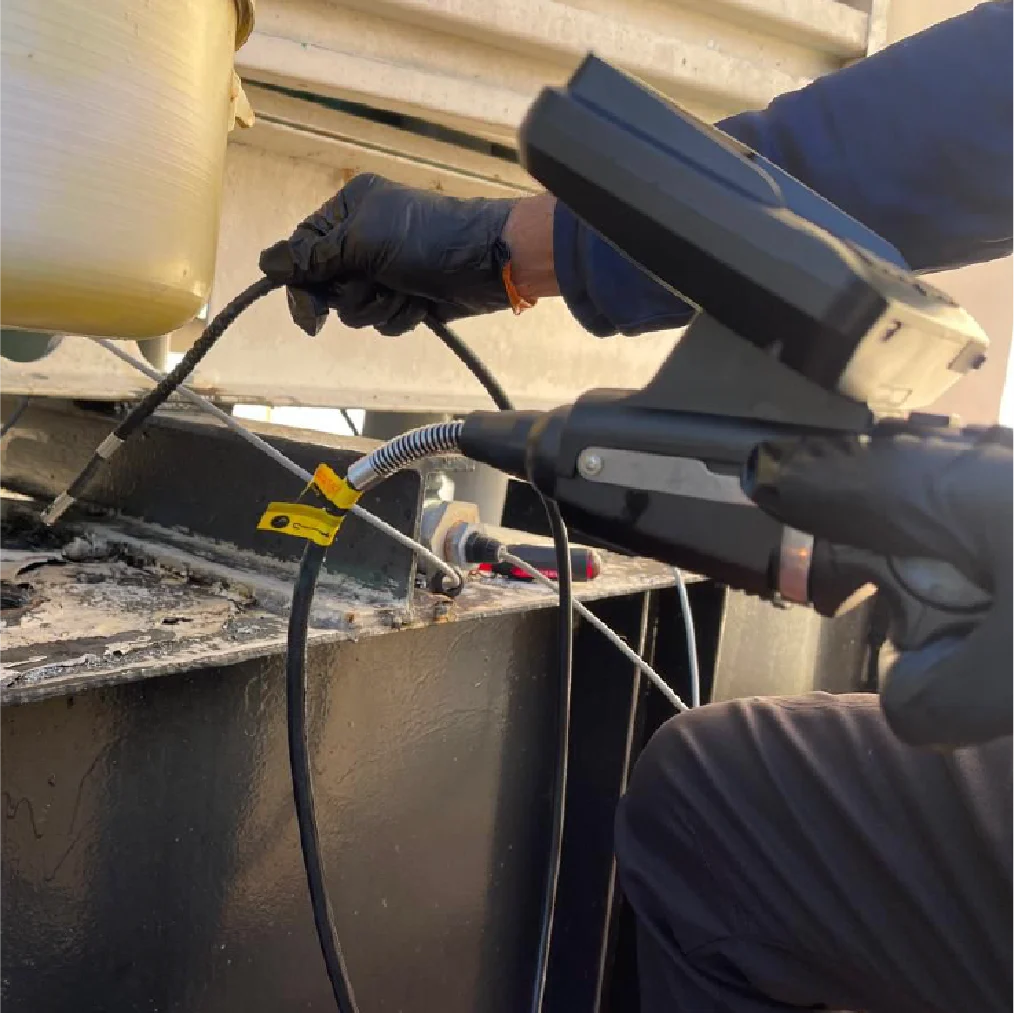
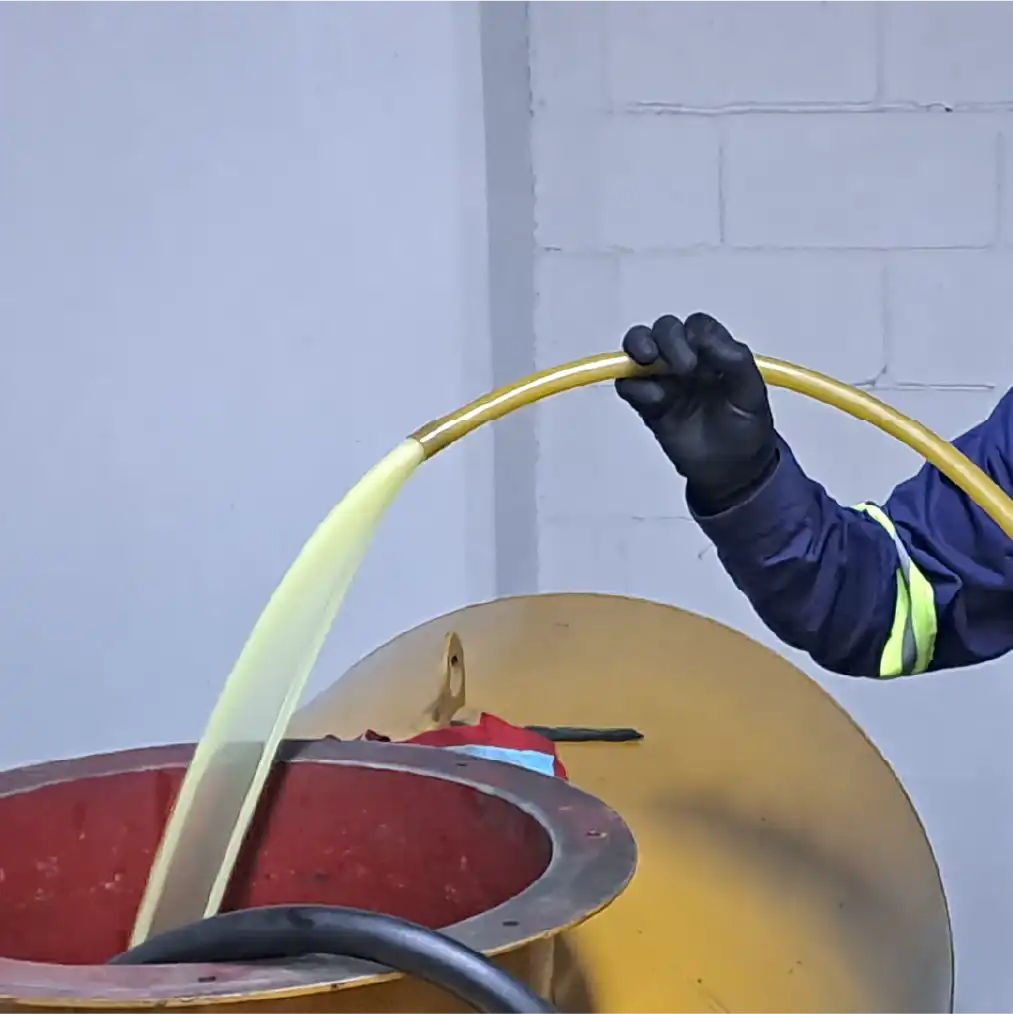
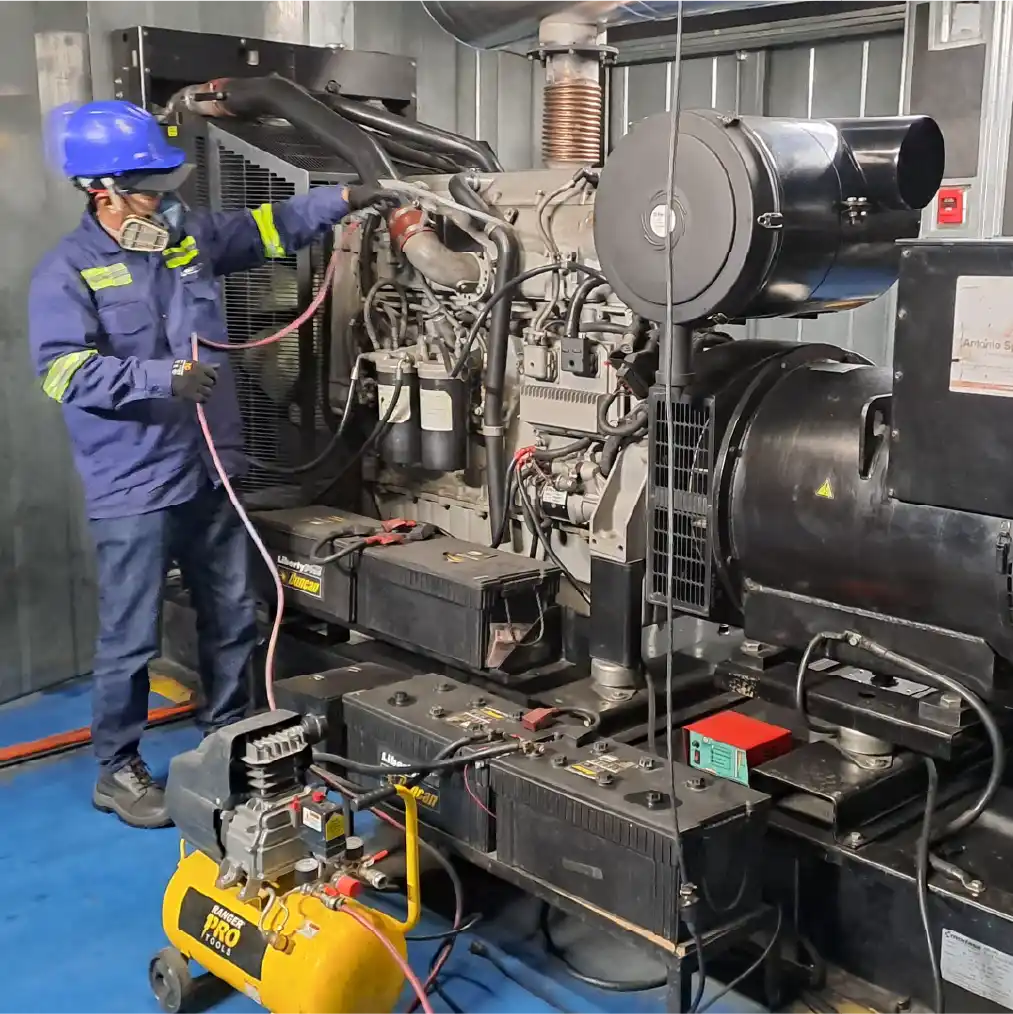
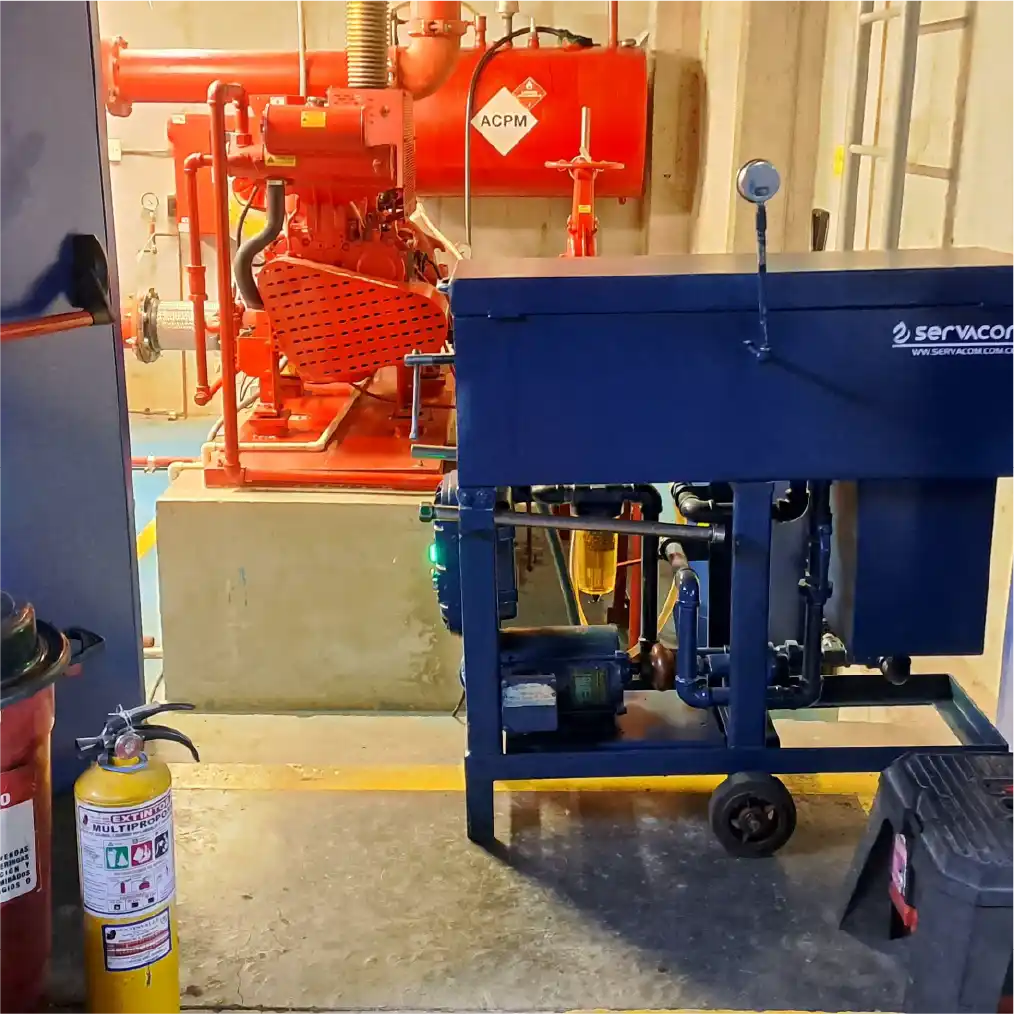
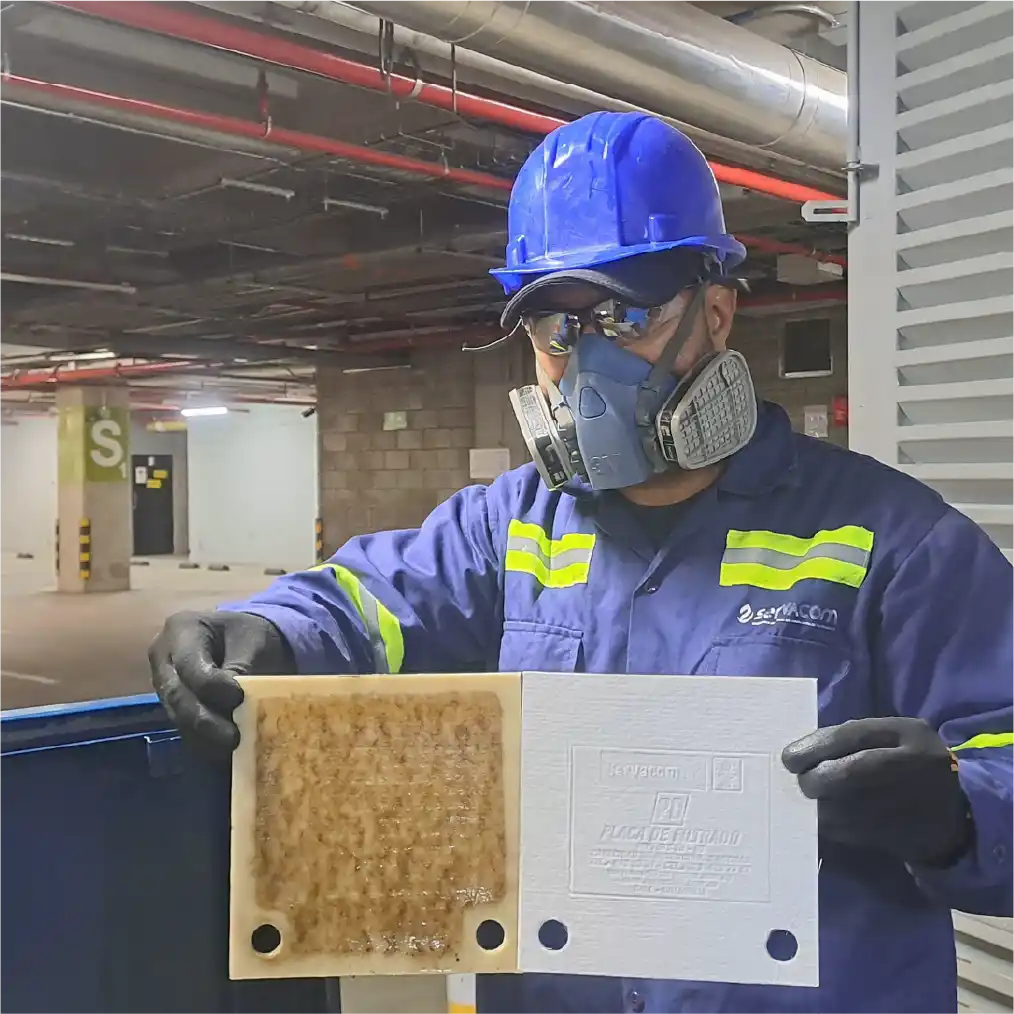
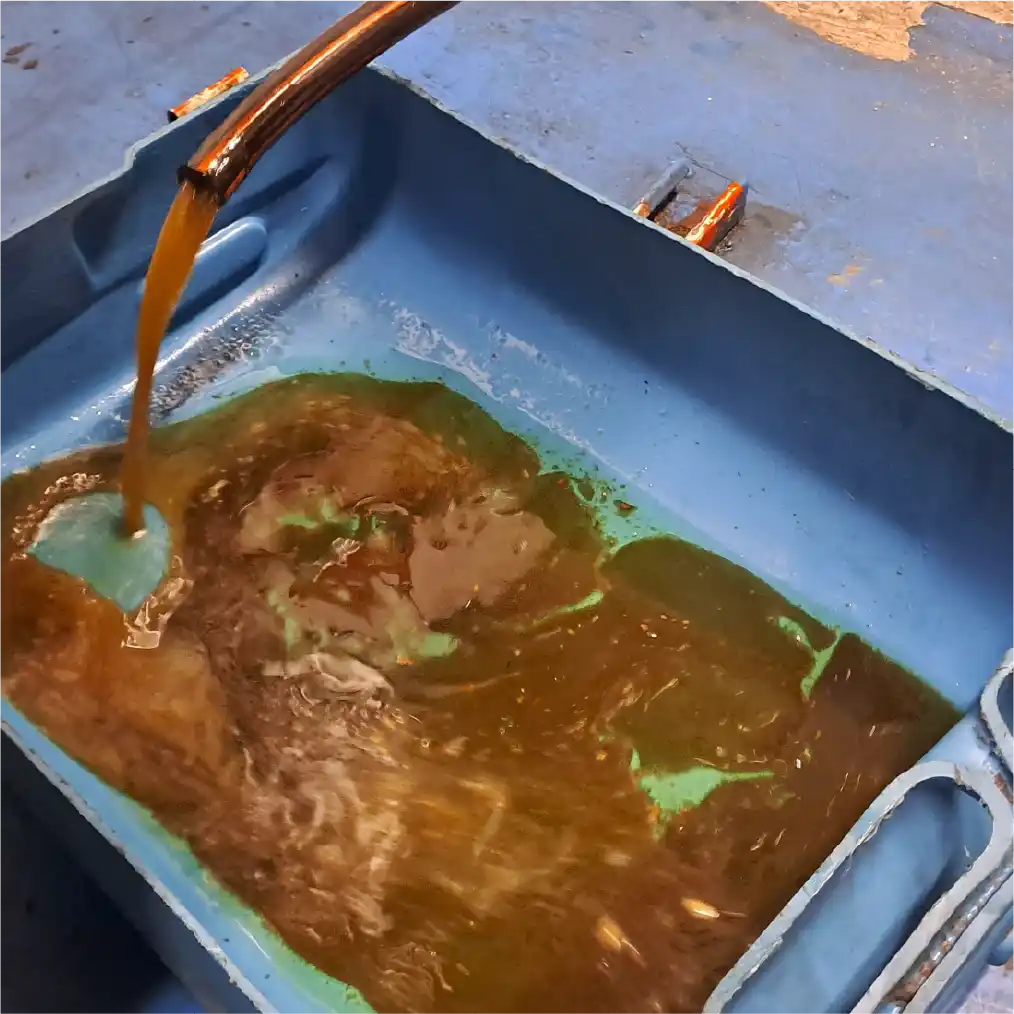
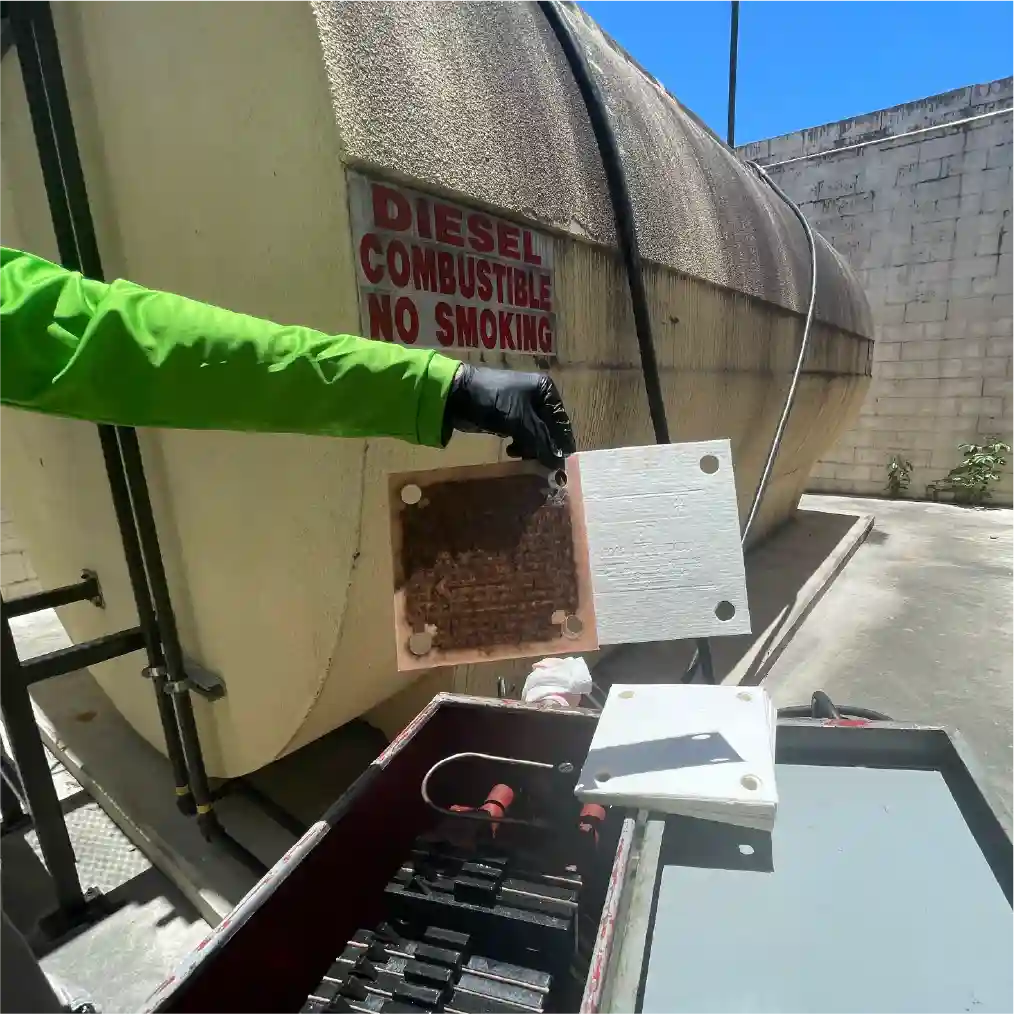
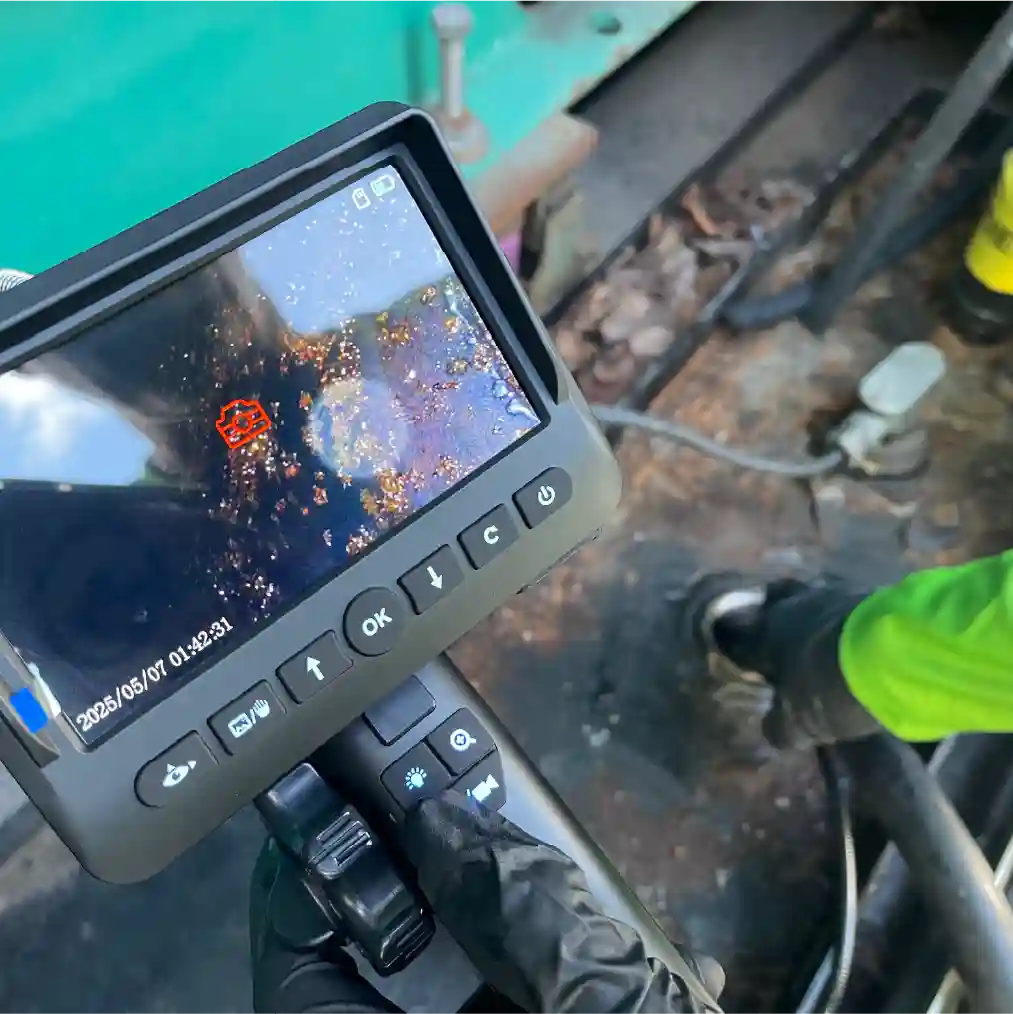
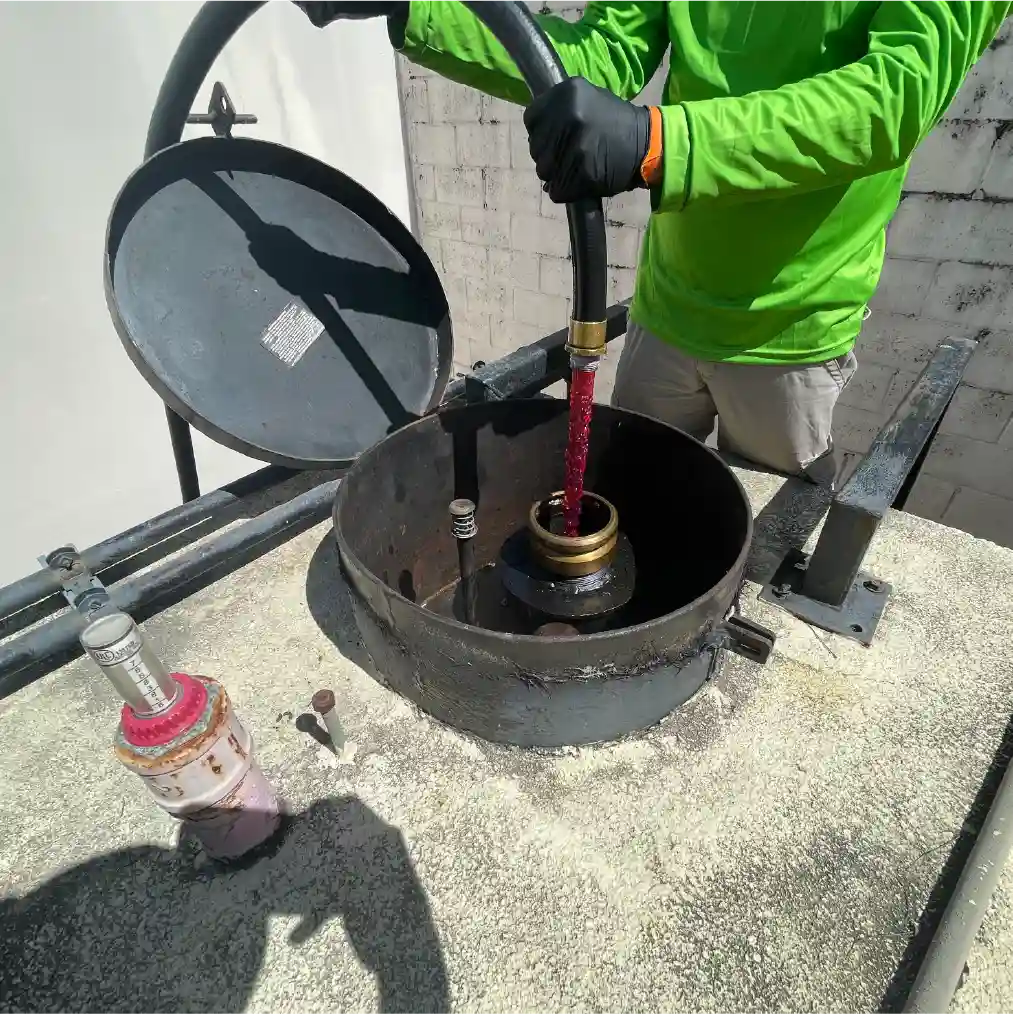
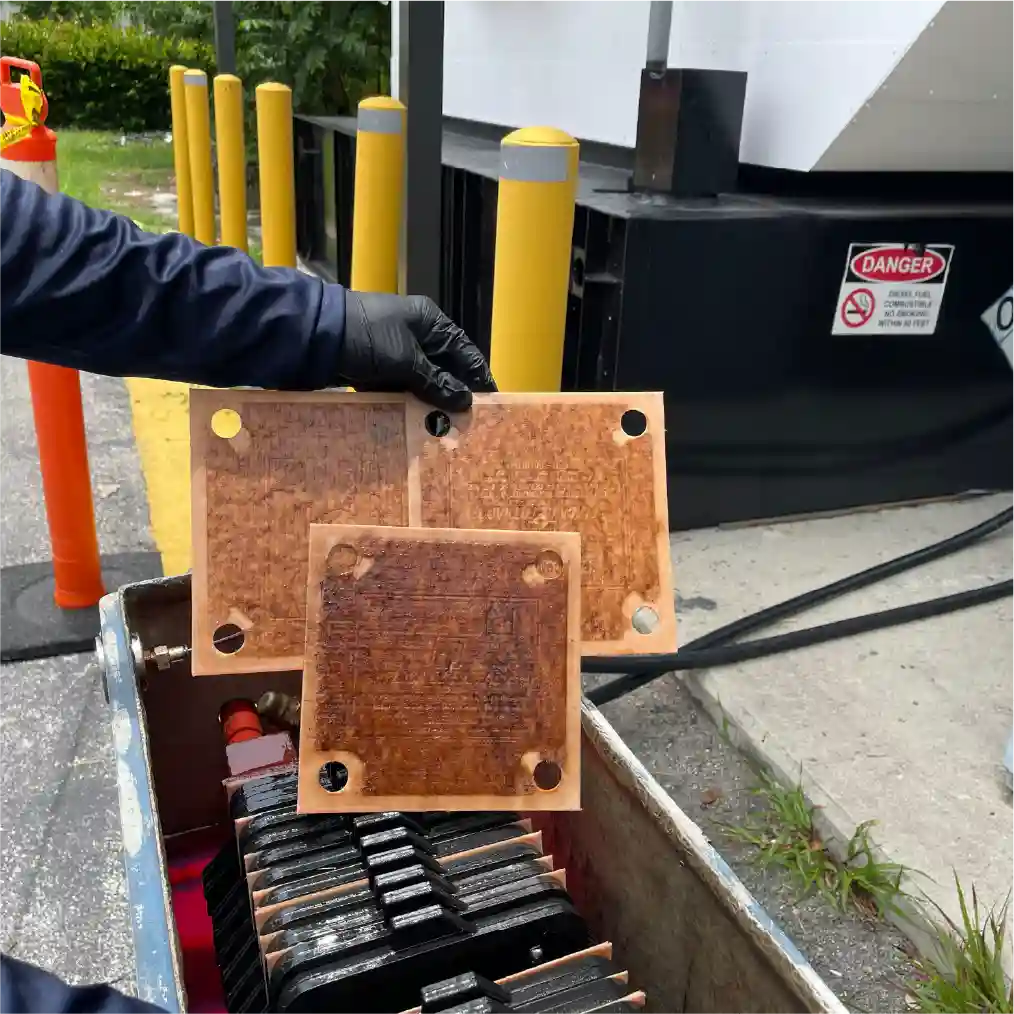
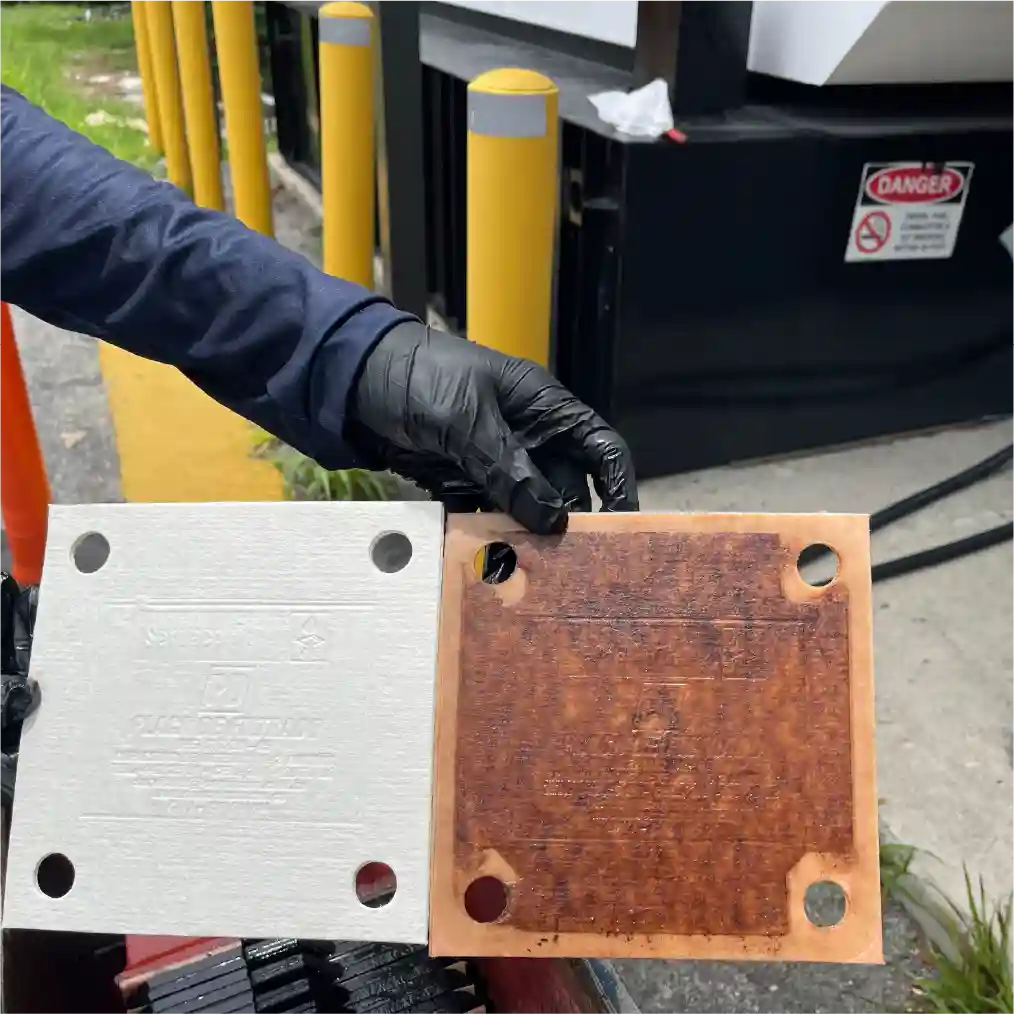
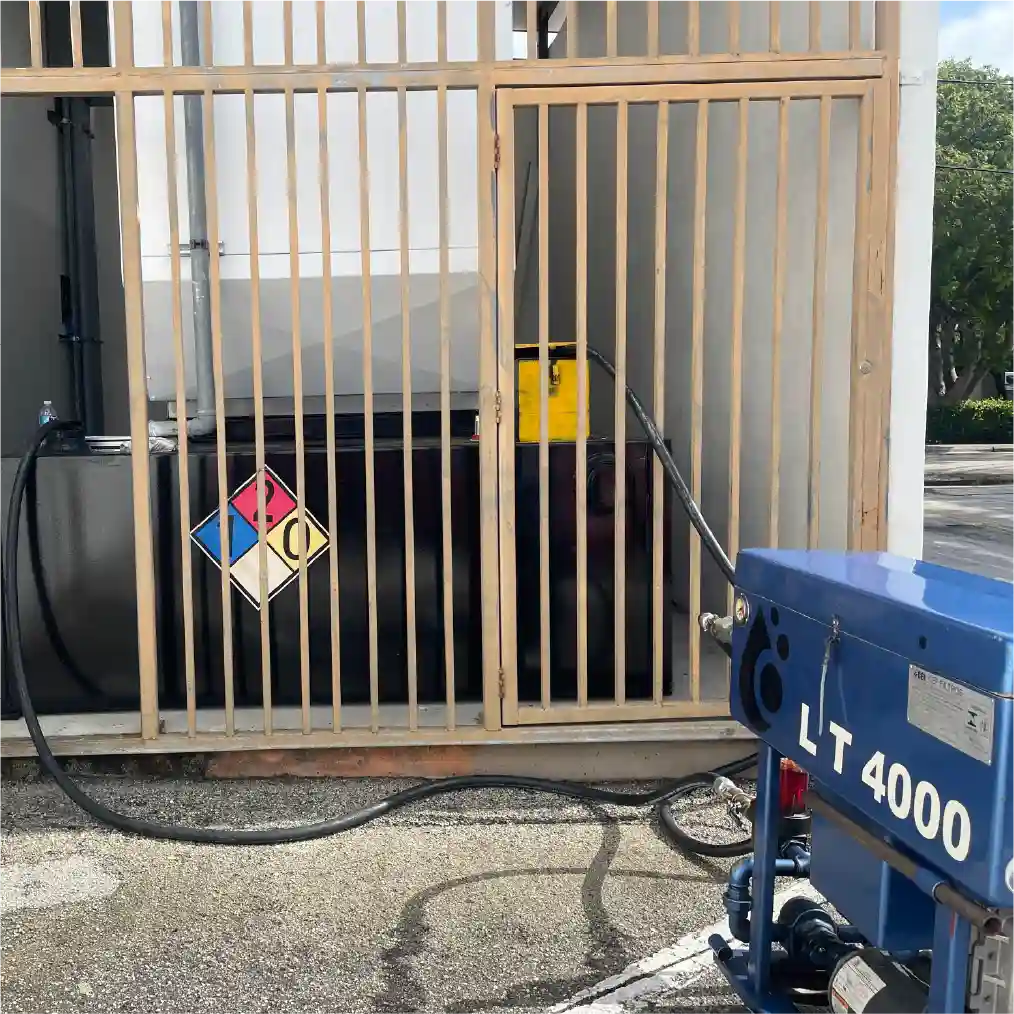
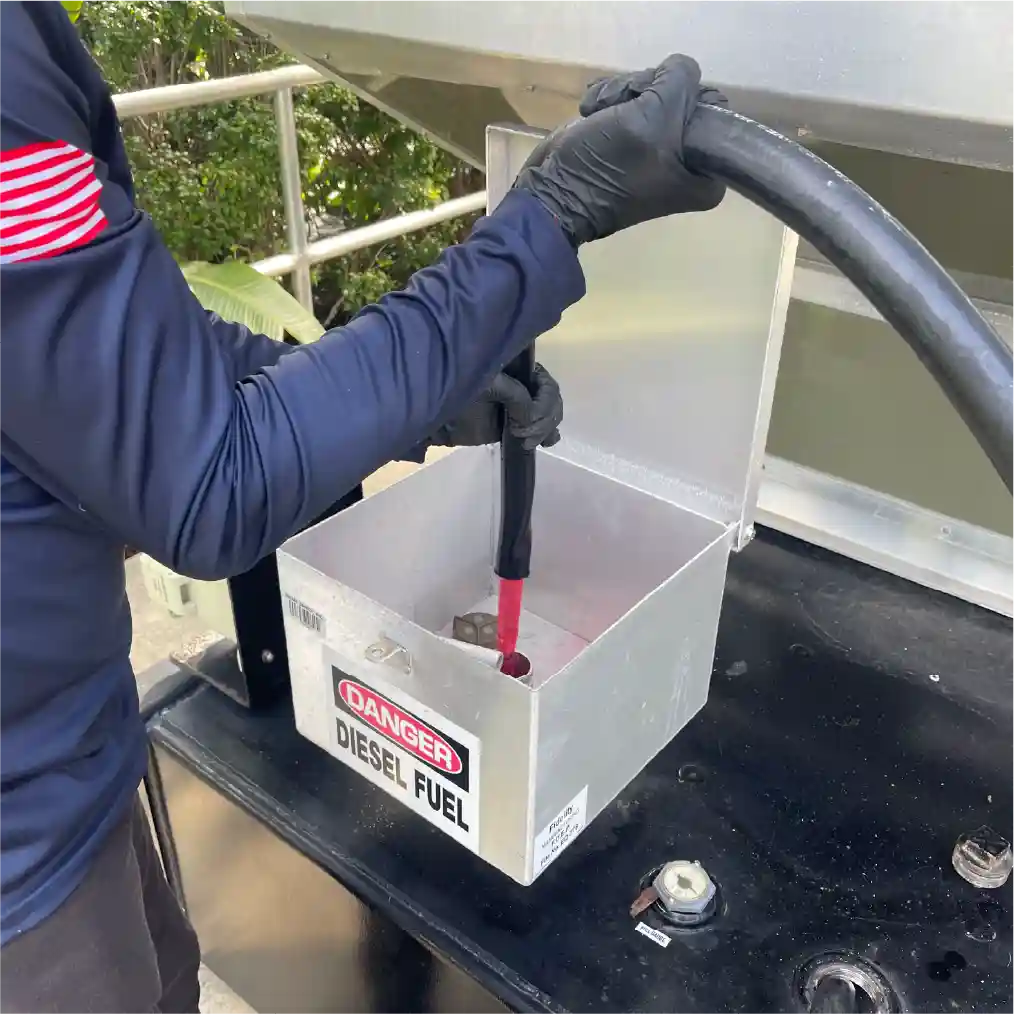
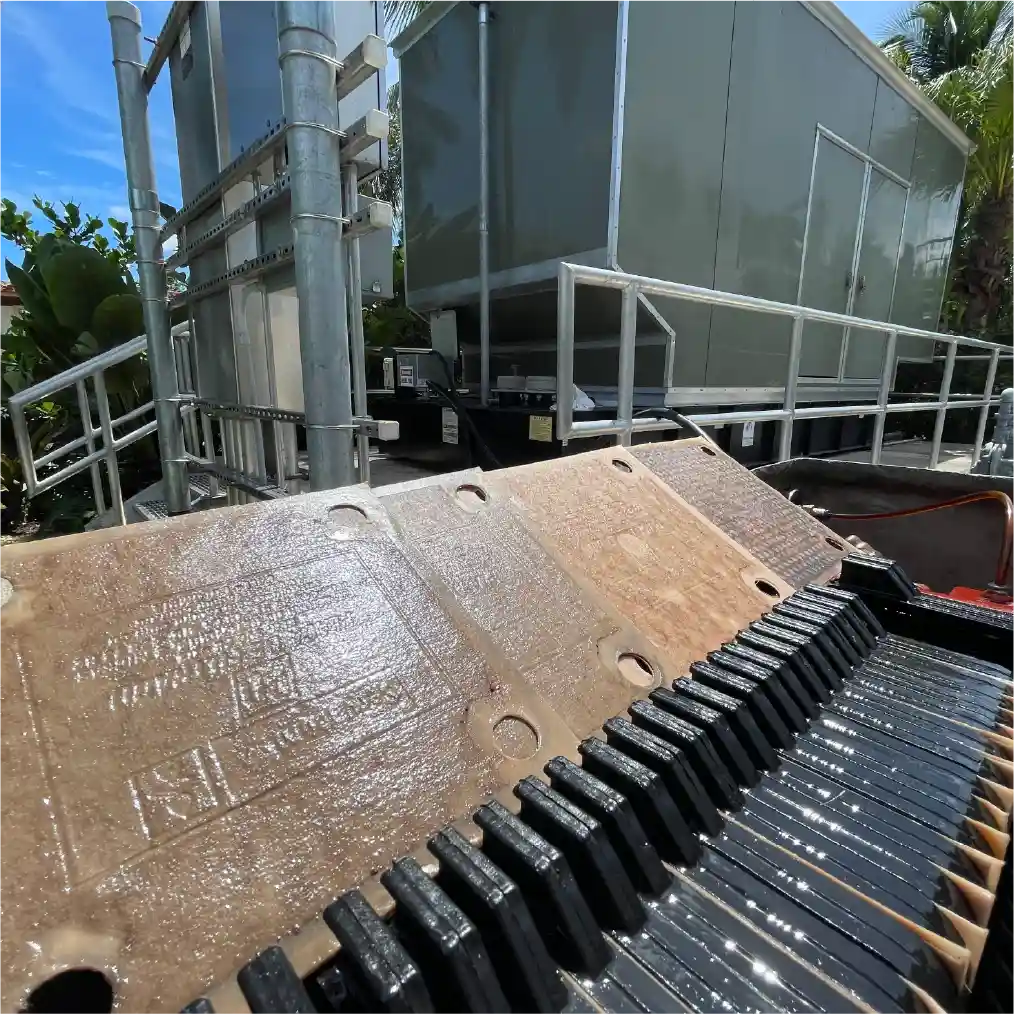
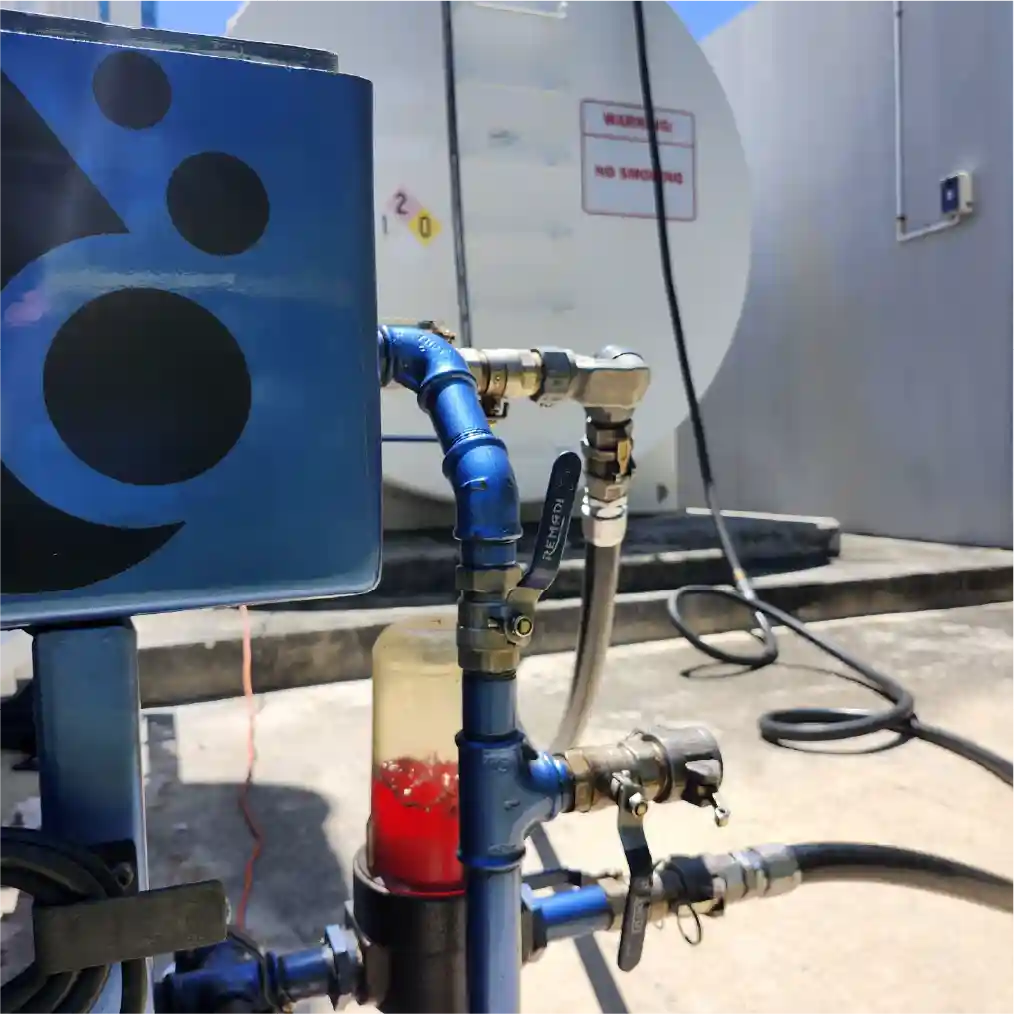
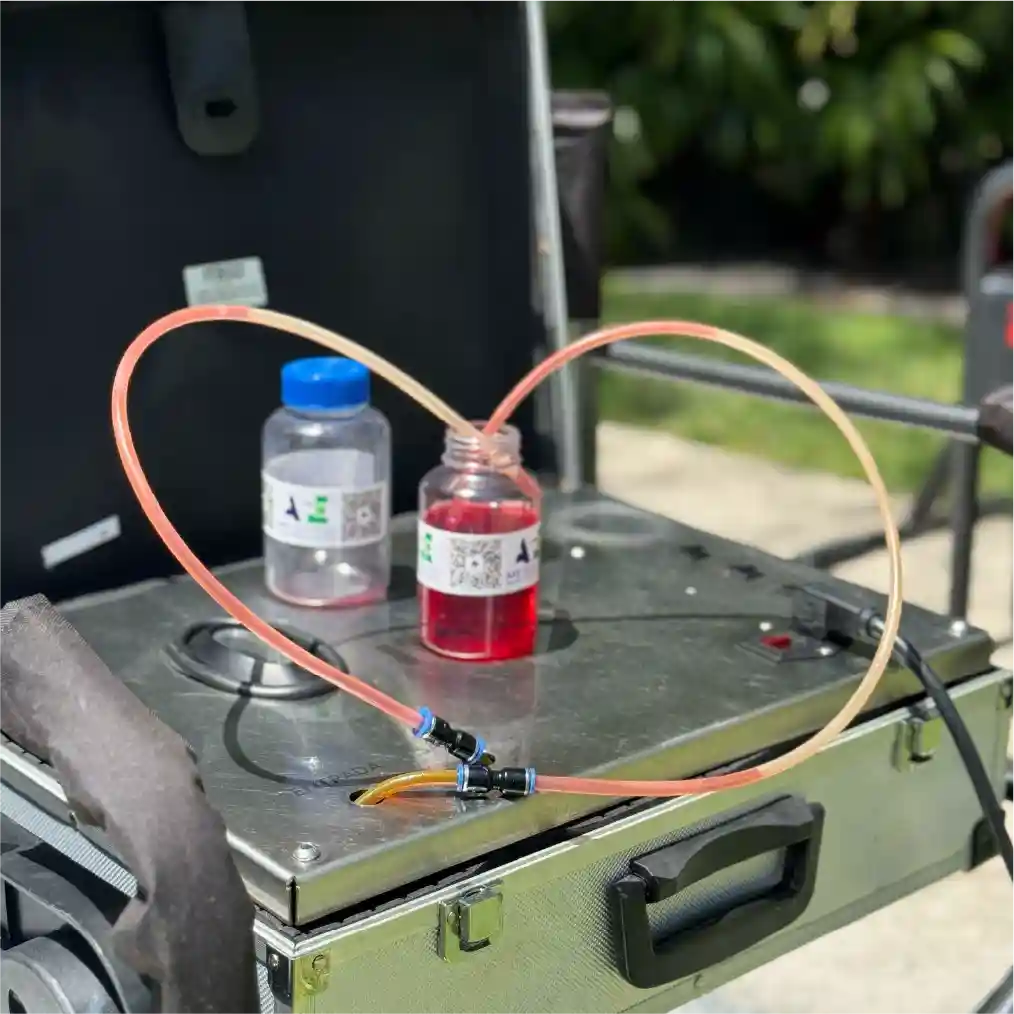
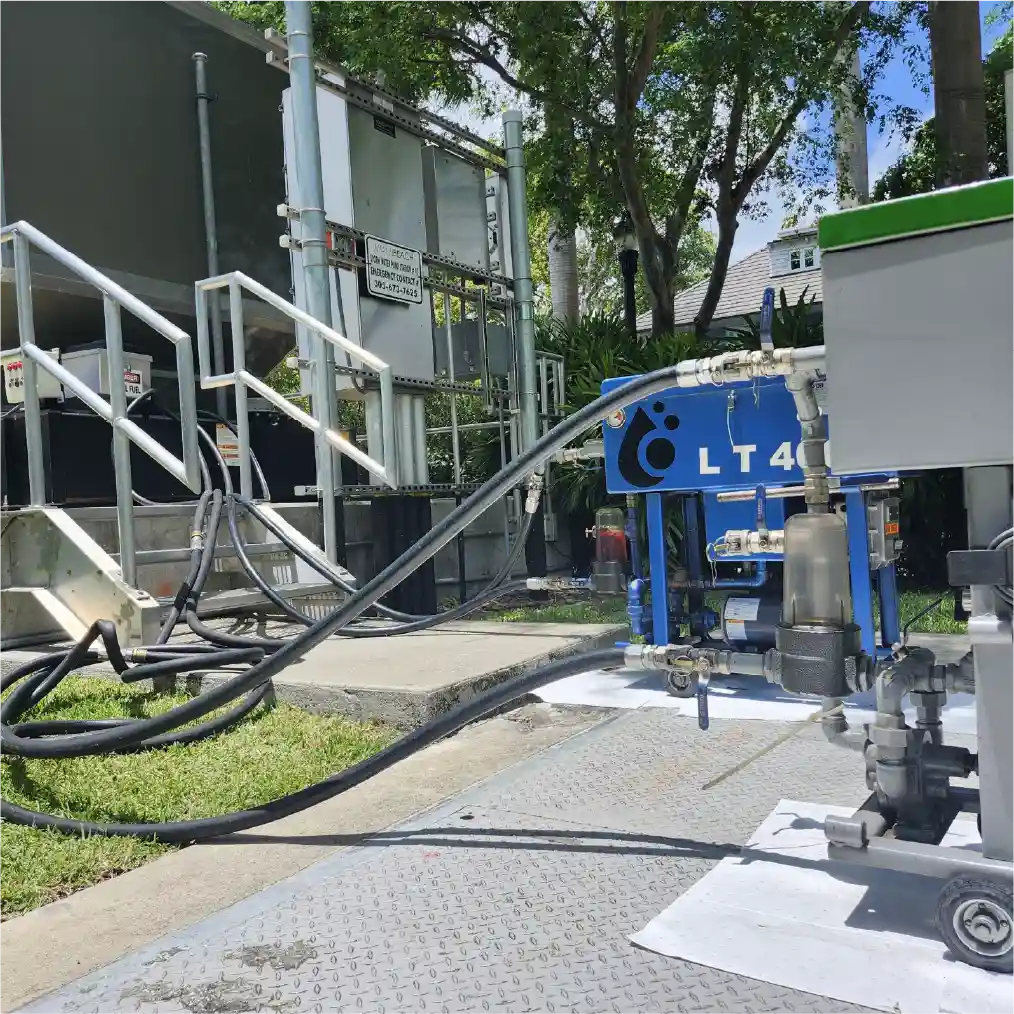
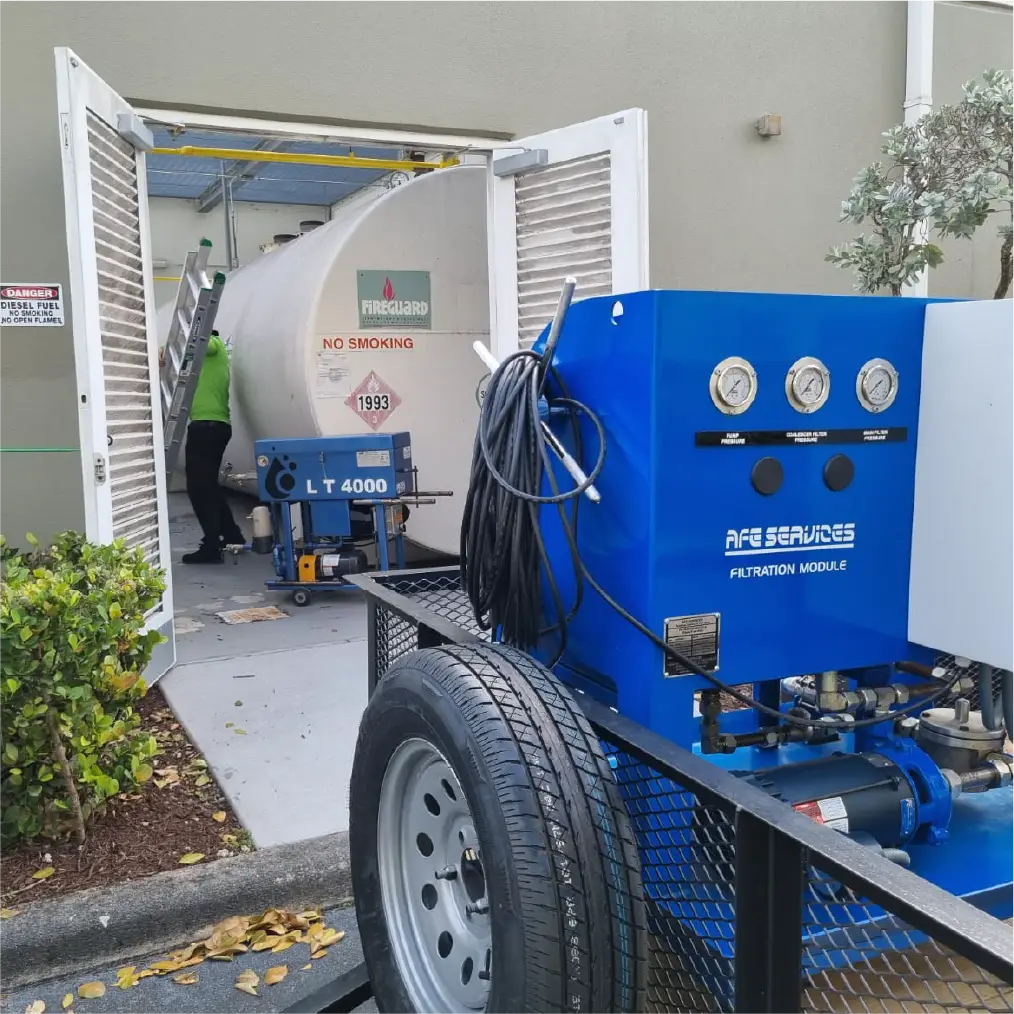
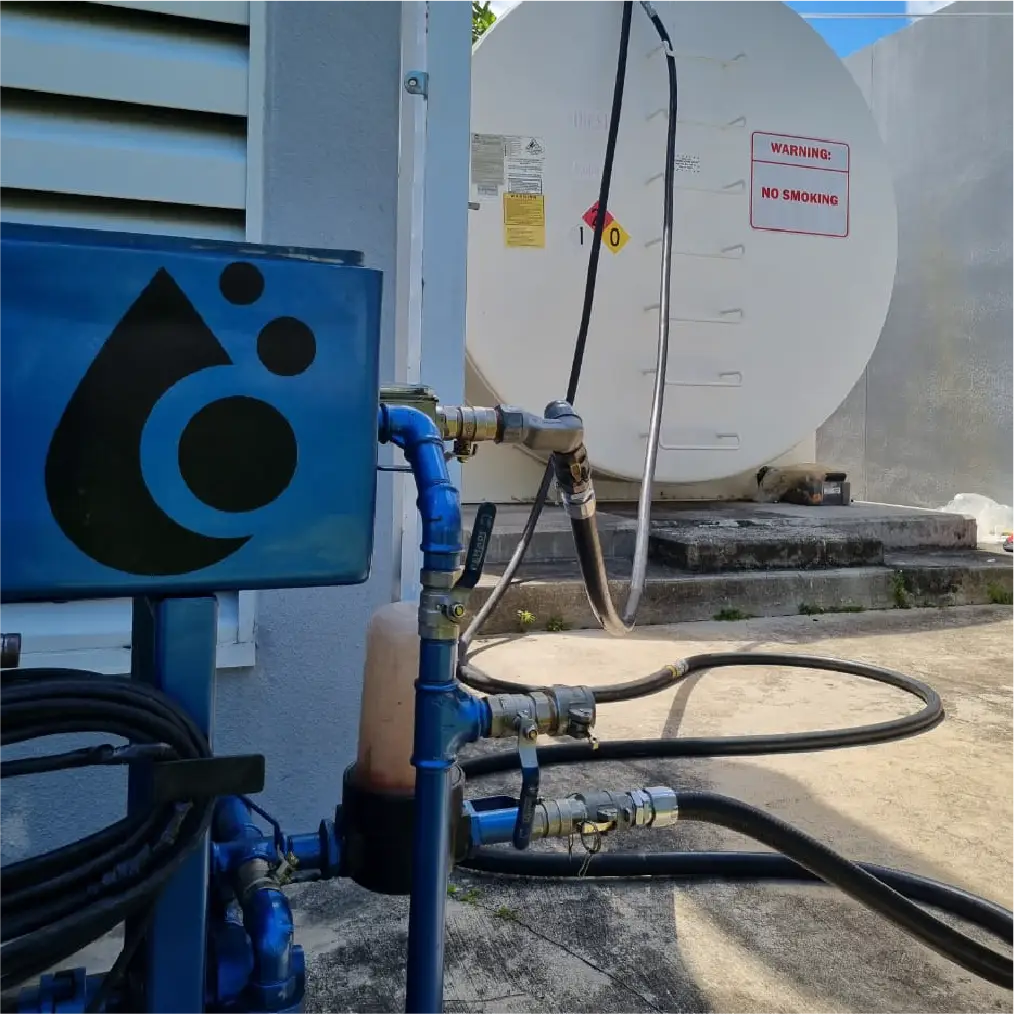
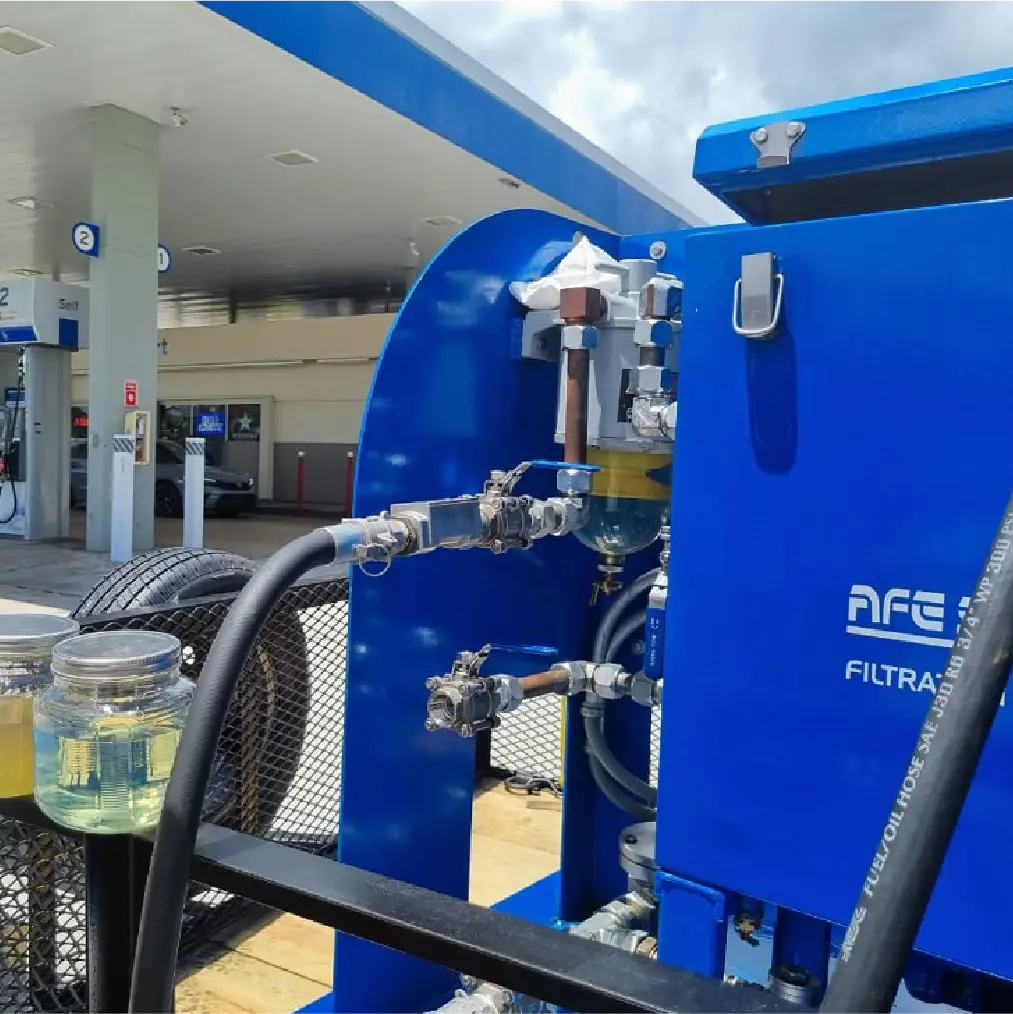
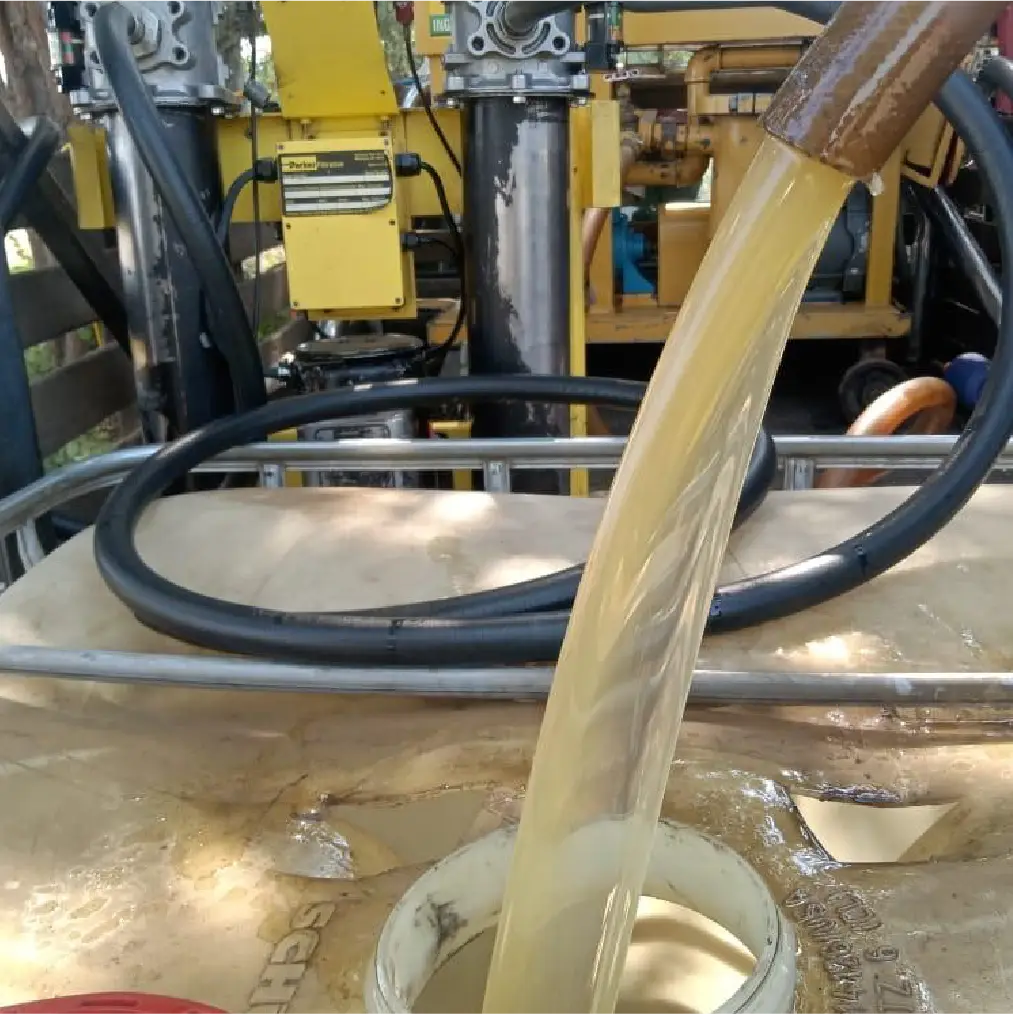
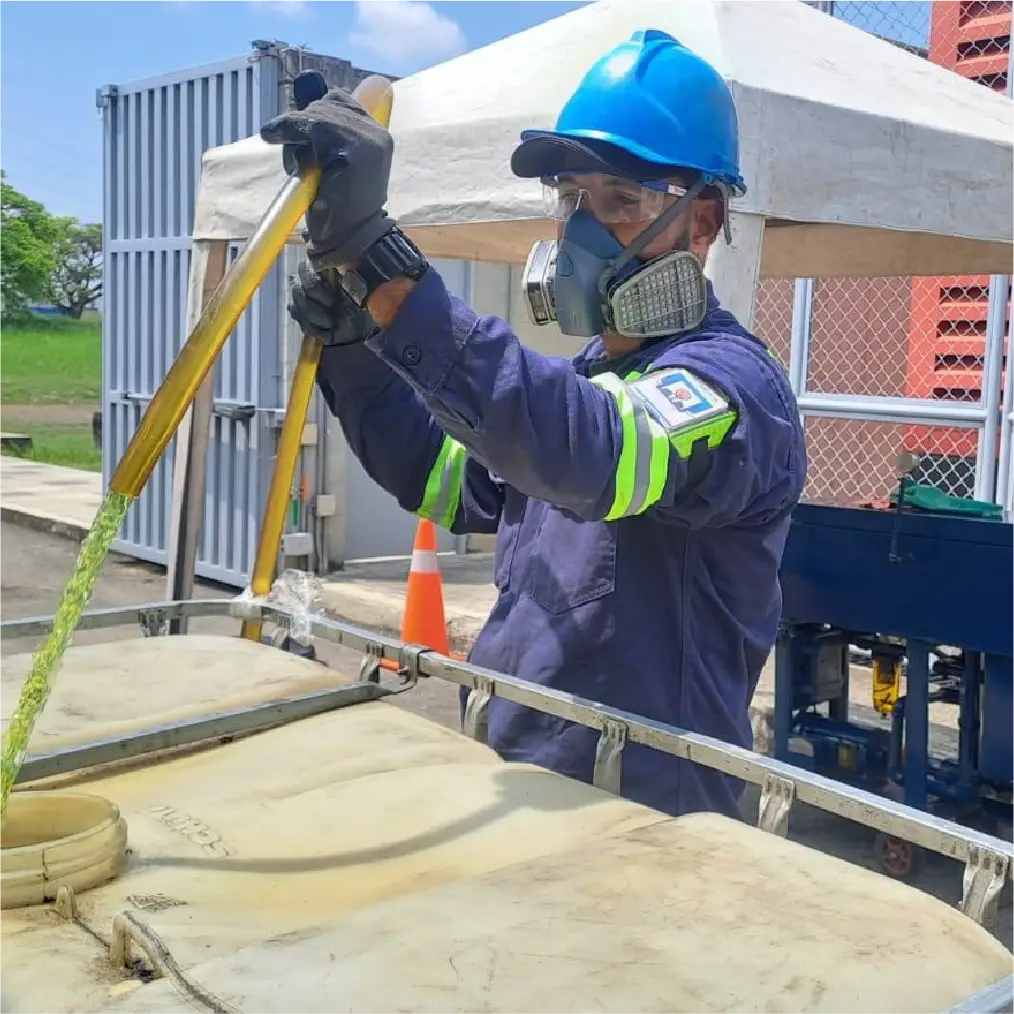
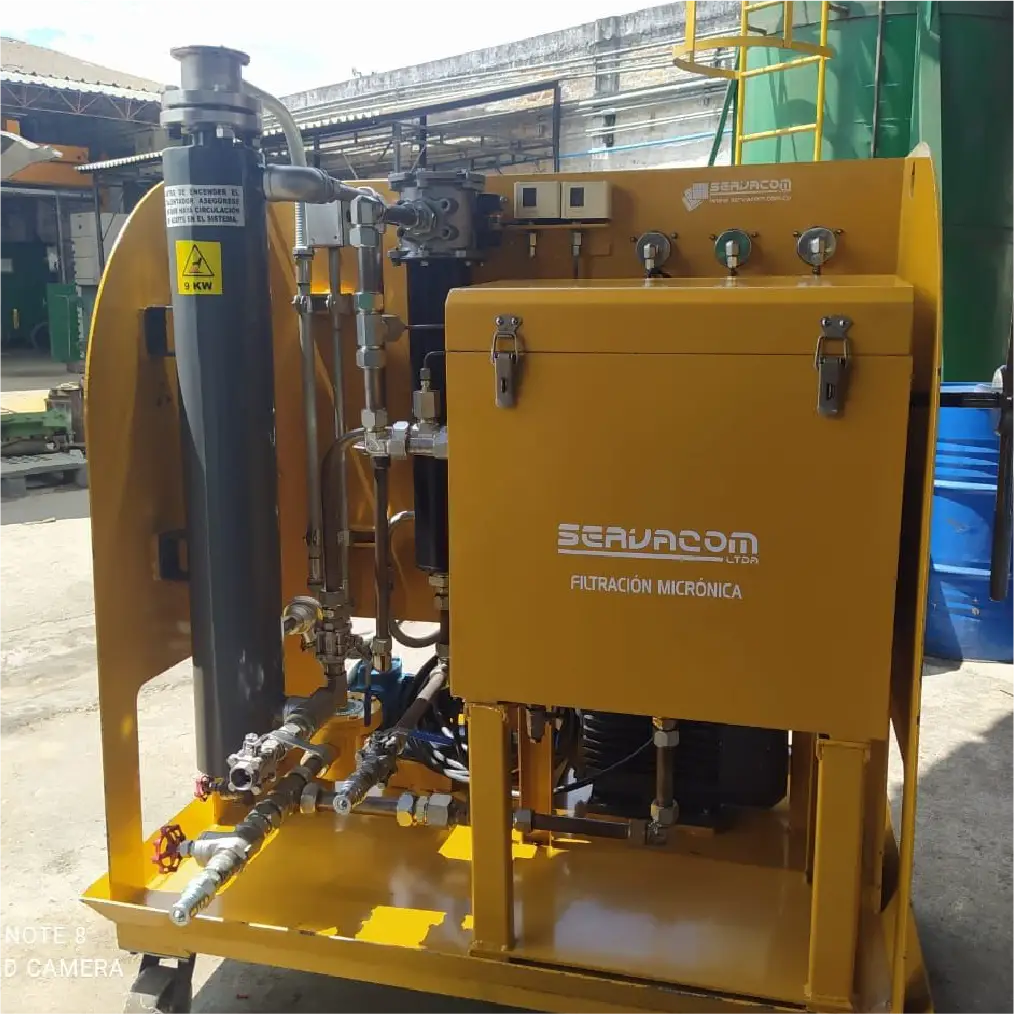
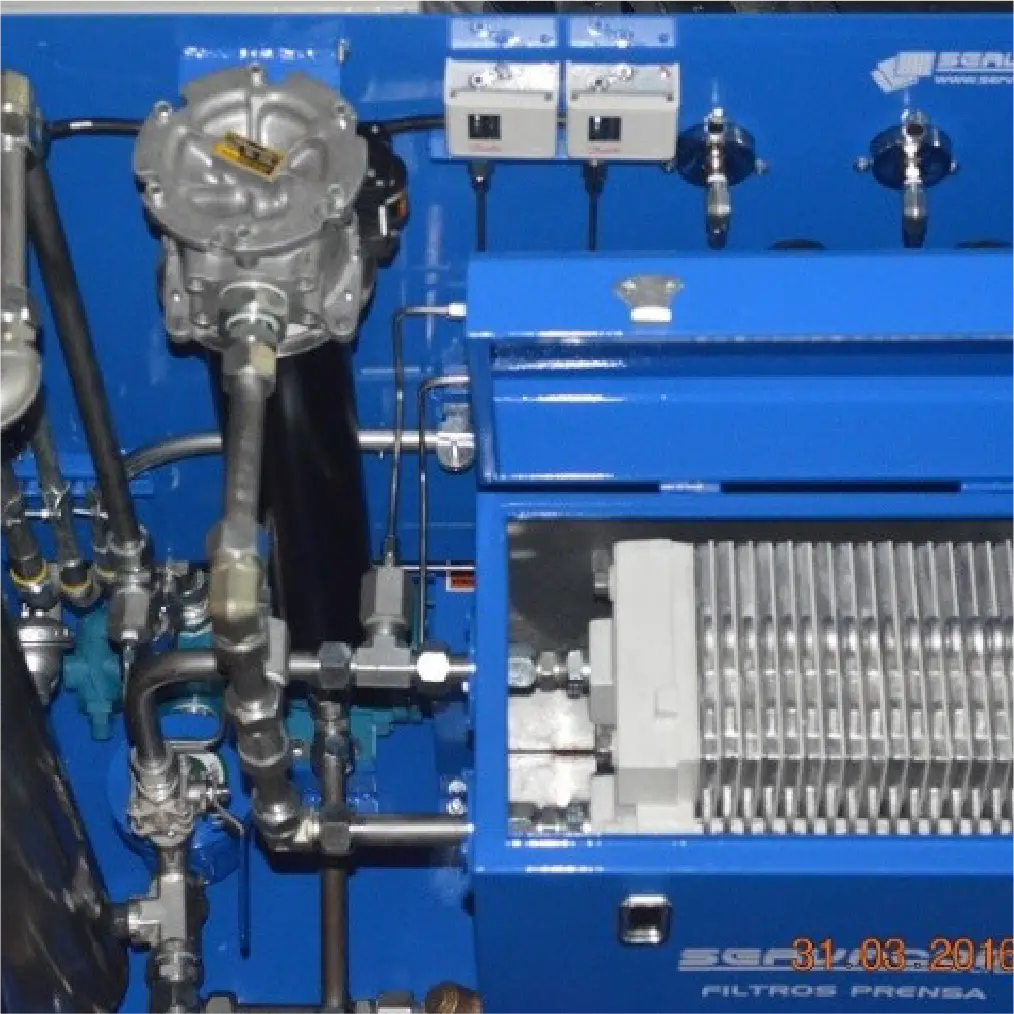
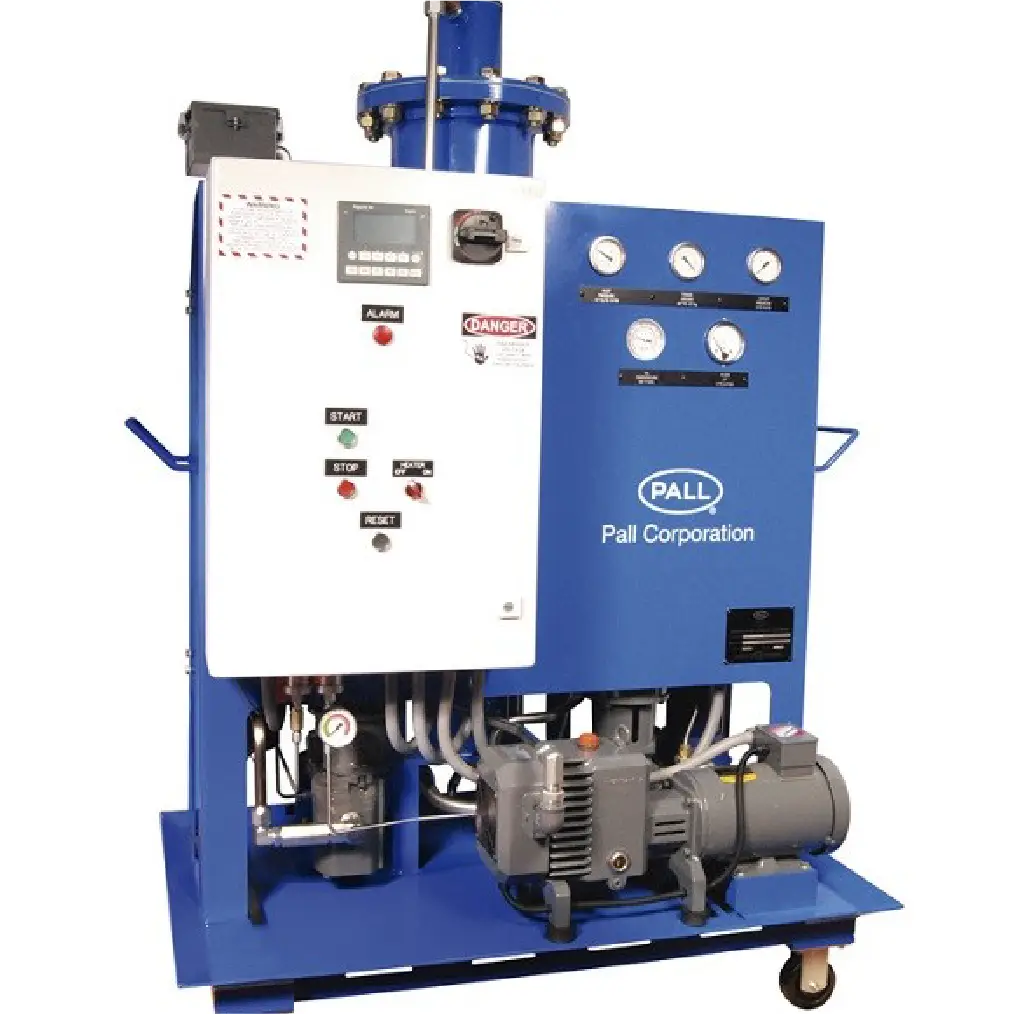
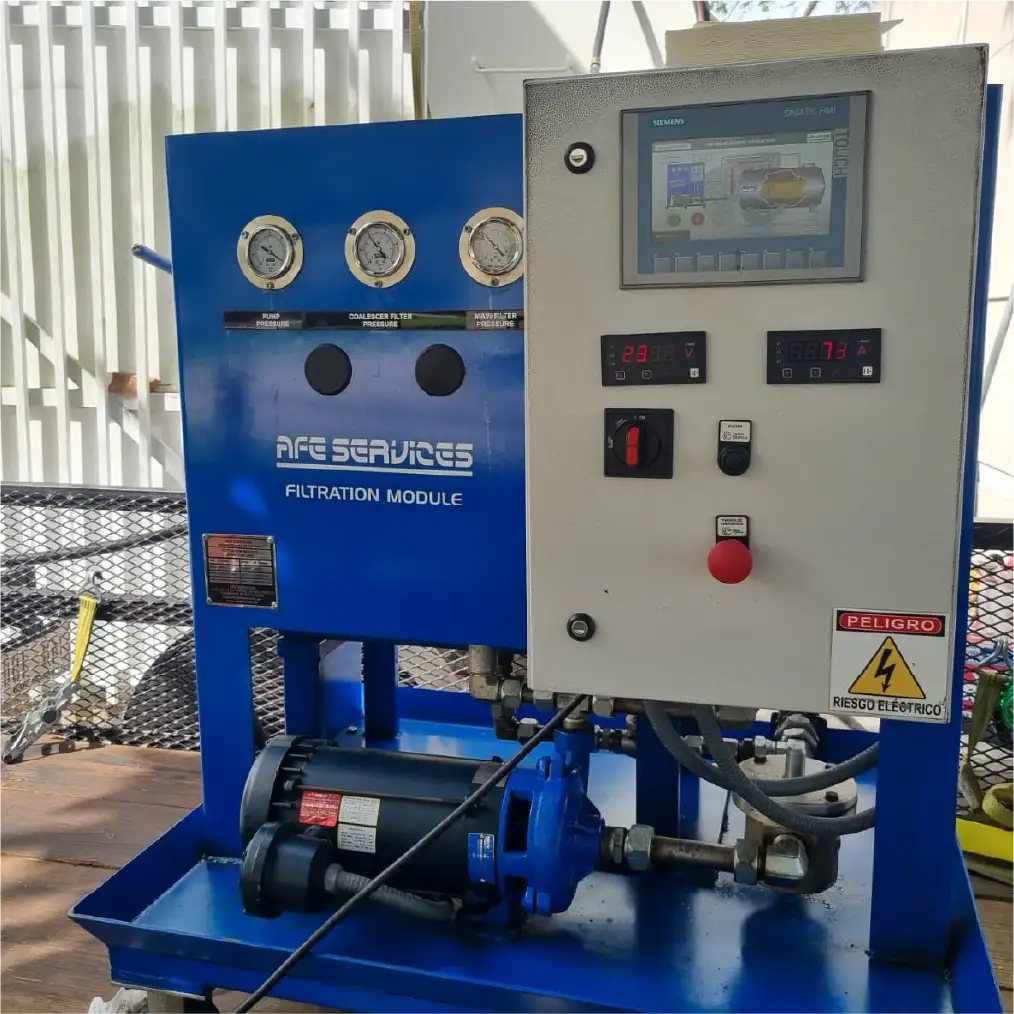
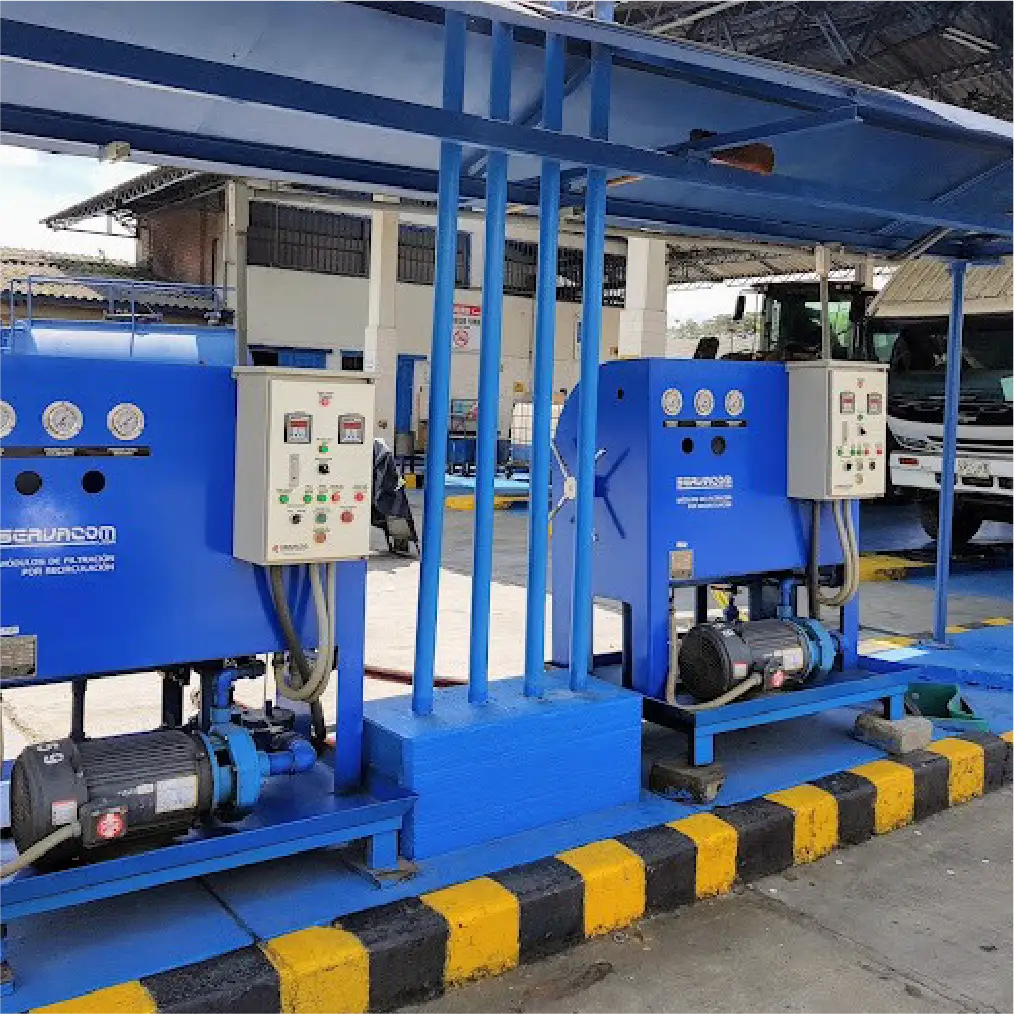
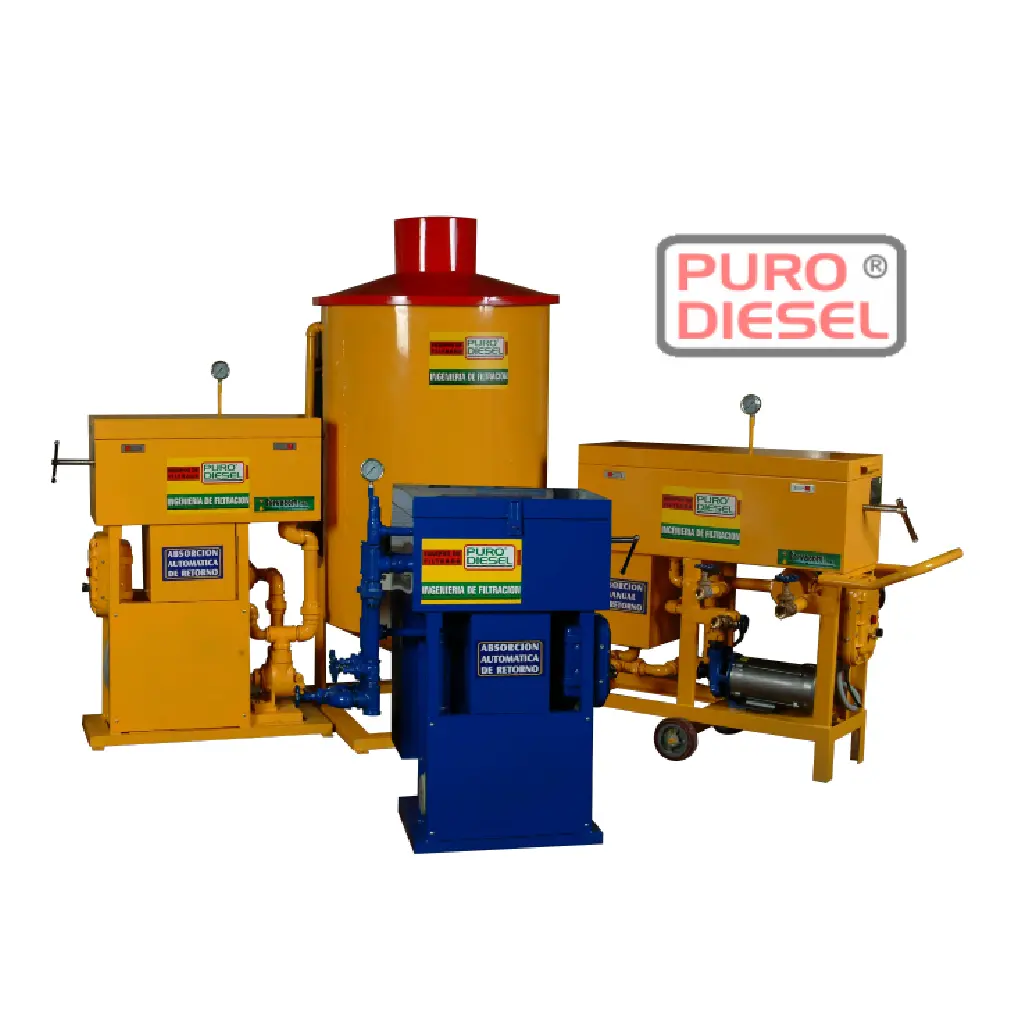
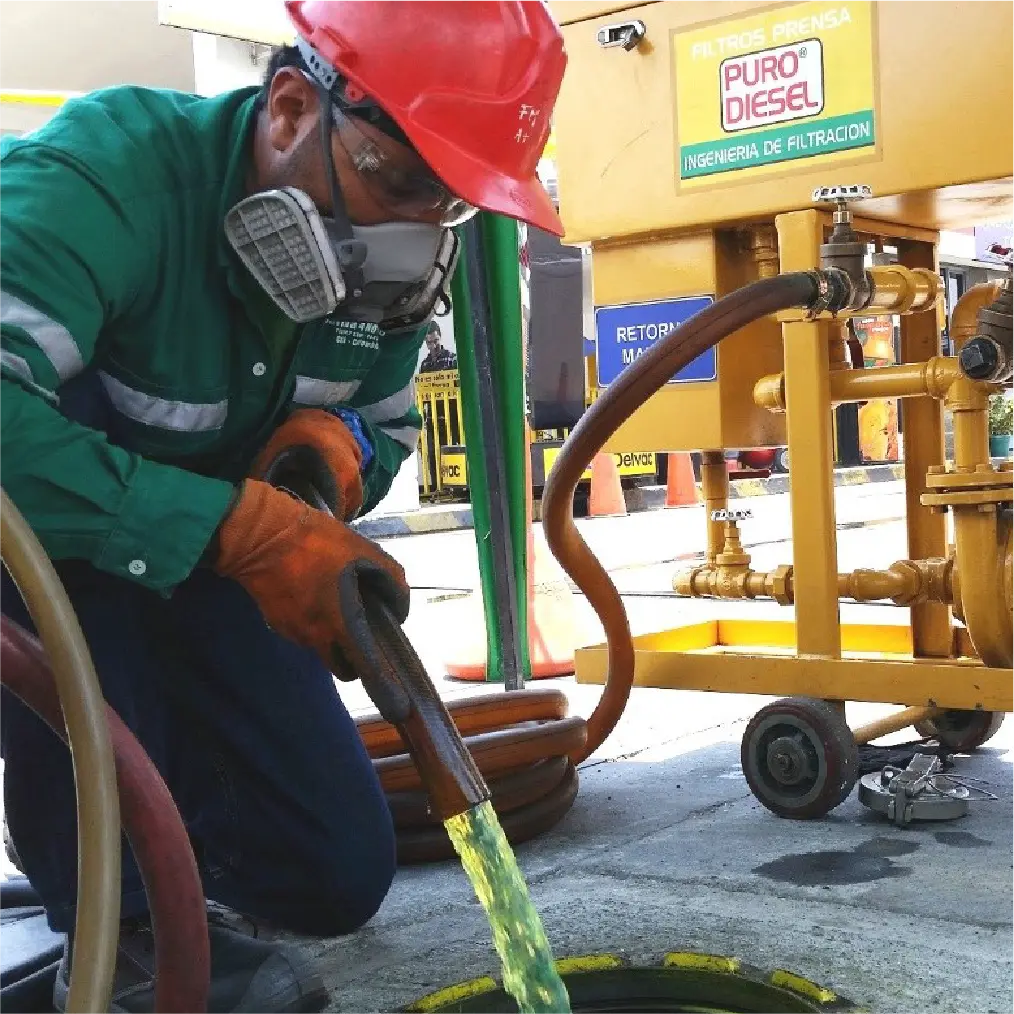
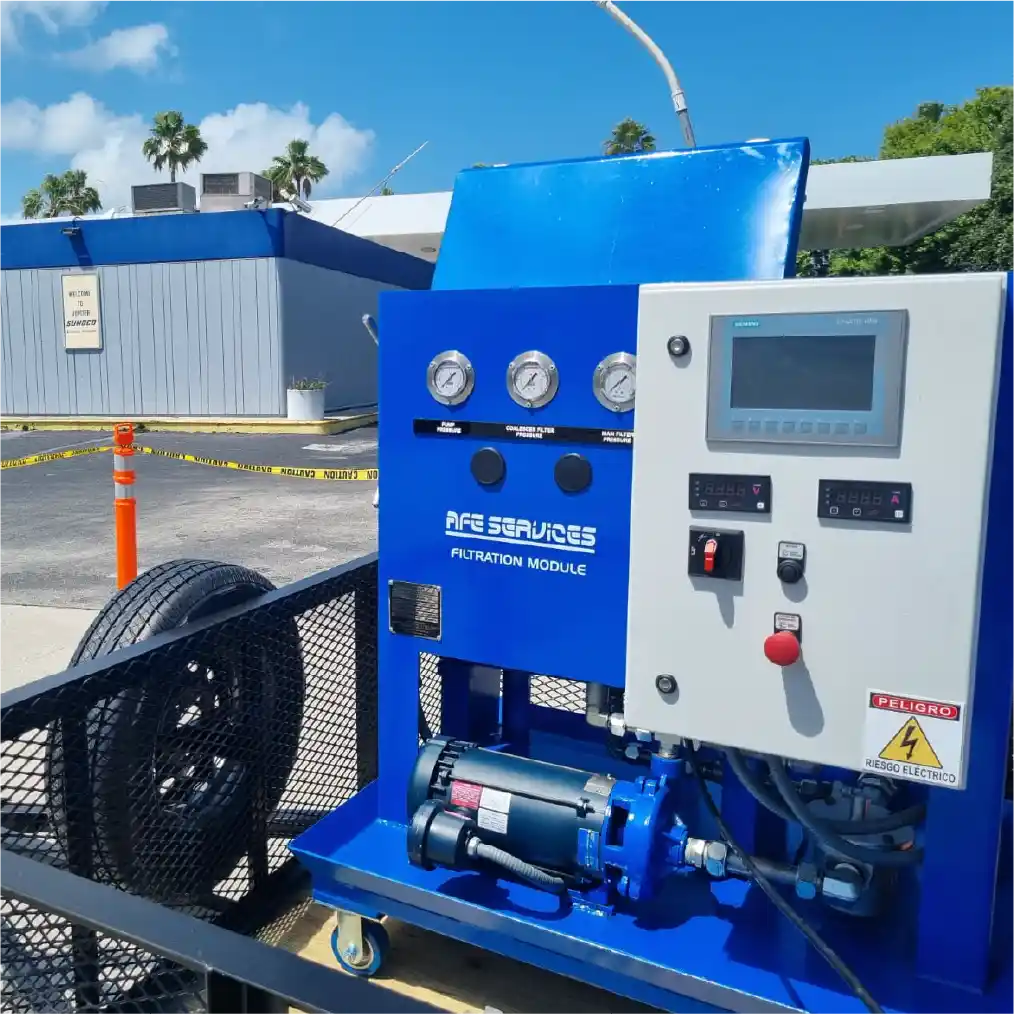
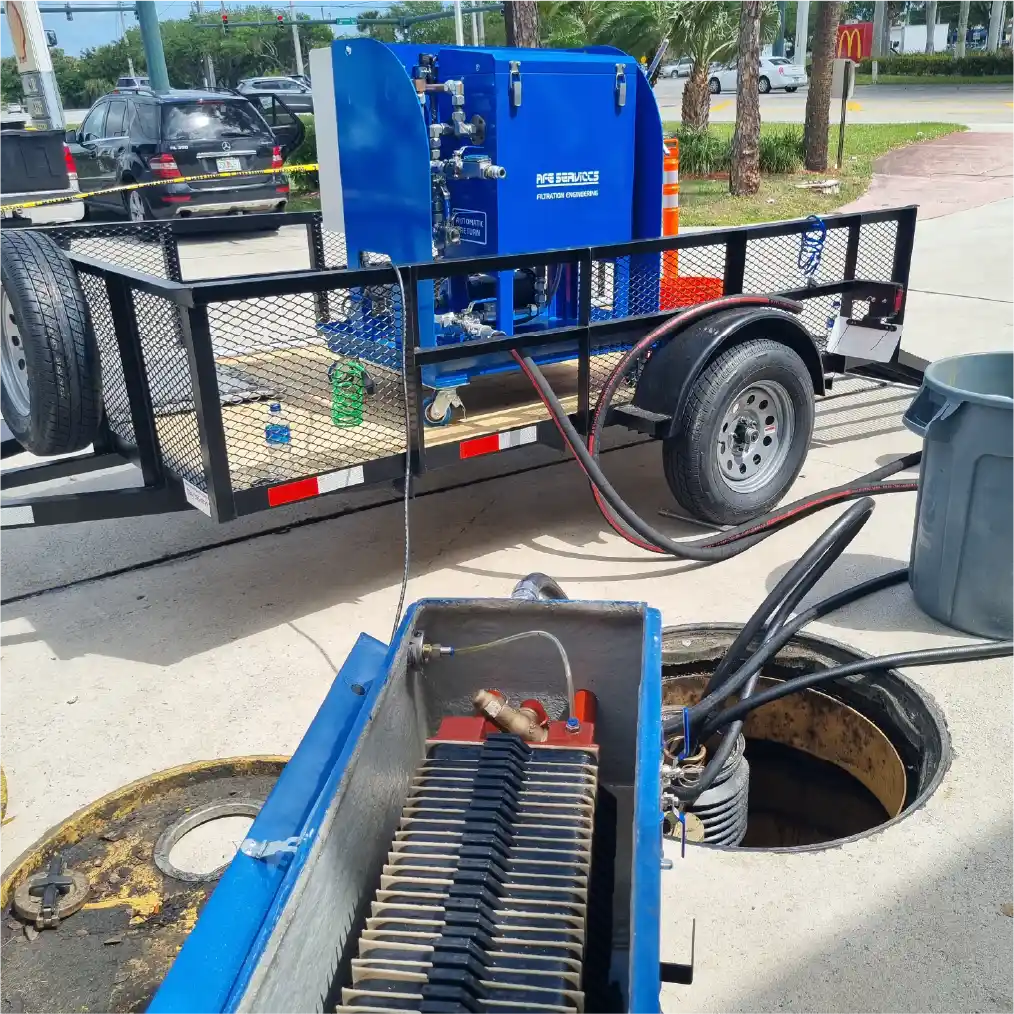
At AFE SERVICES LLC, we specialize in advanced microfiltration for fuel tanks, using the highest technology in fuel filtration to ensure maximum fuel purity and performance. The systems we use are known as Filter Press units, designed specifically for maximum efficiency in fuel cleaning applications.
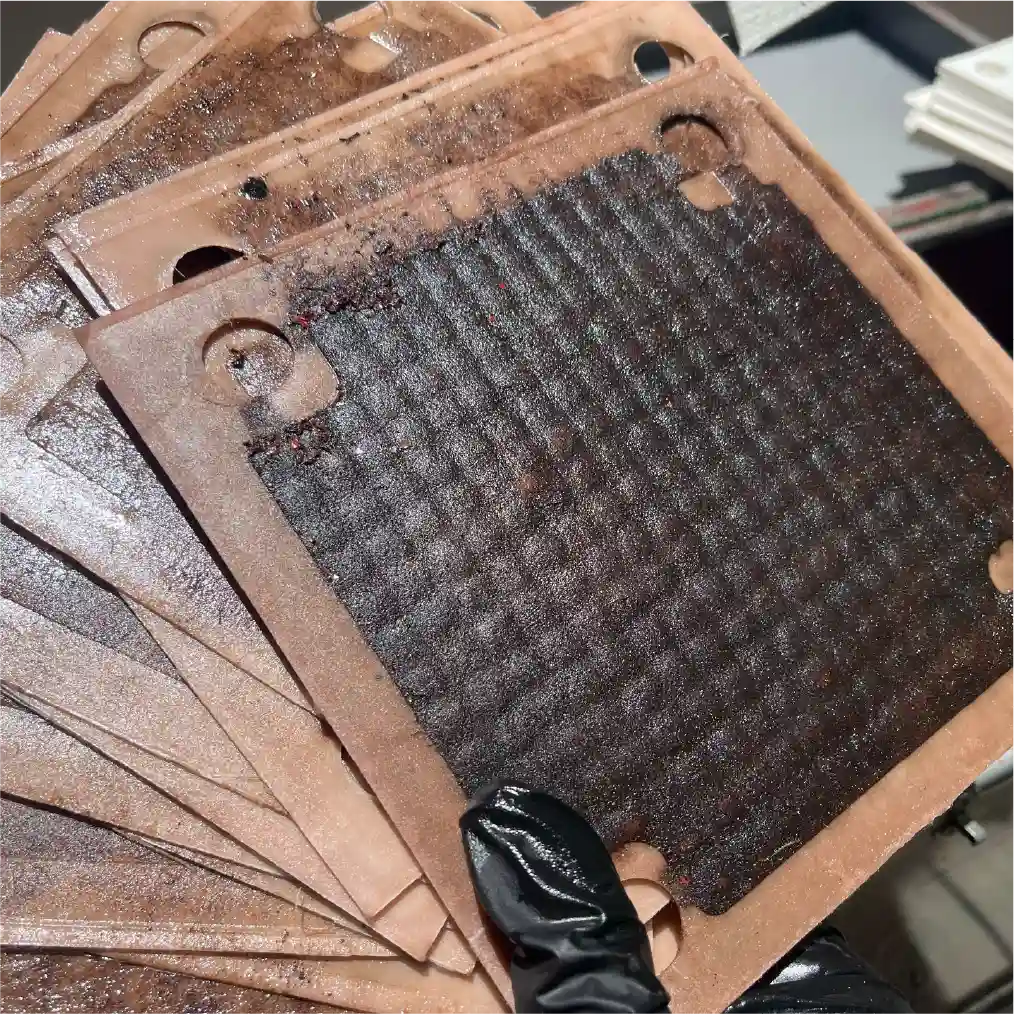
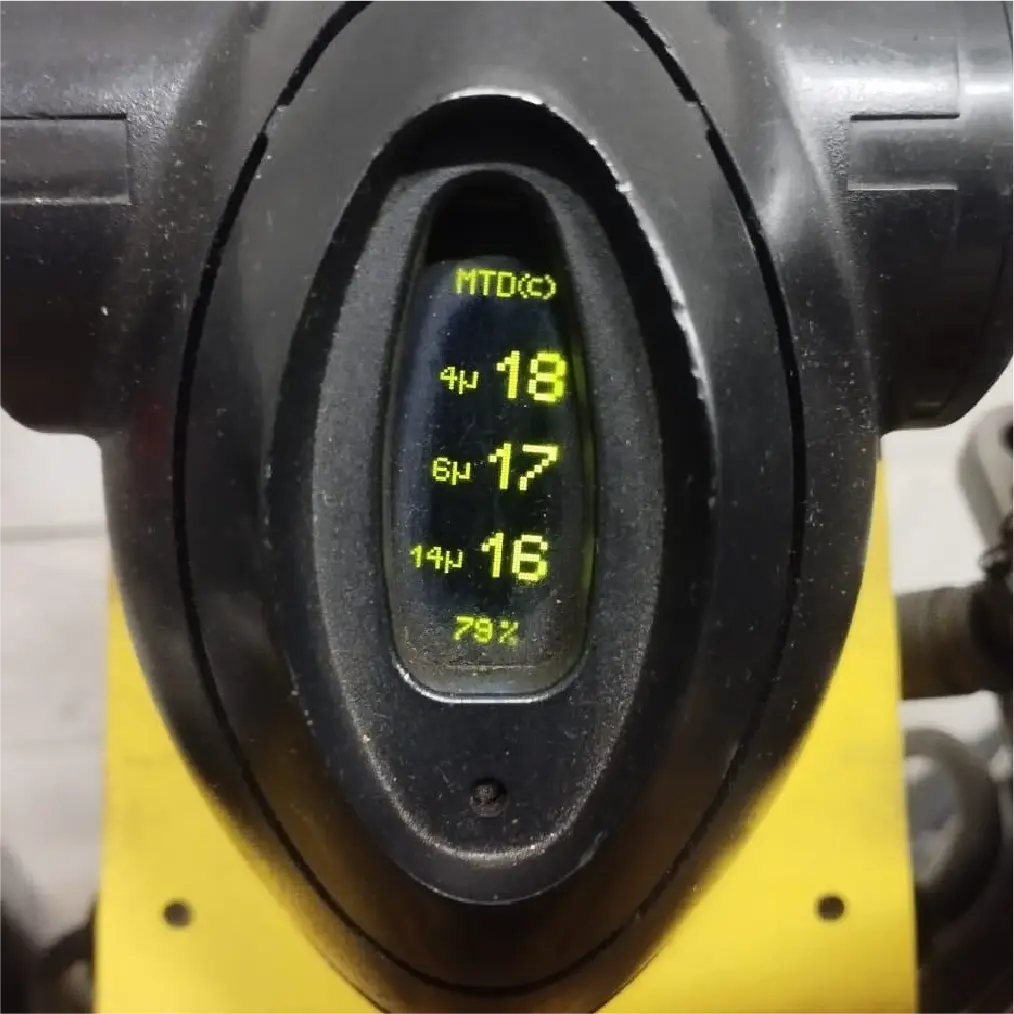
Our high-efficiency filtration systems are engineered to remove free water, emulsified water, and particulate matter, with a retention capacity of 1 to 3 microns, achieving a level of cleanliness in compliance with ISO 4406 standards.
This advanced technology not only guarantees fuel that is cleaner and safer for use in generators, vehicles, and industrial equipment, but also allows for the recovery of valuable fuel that would otherwise be lost to contamination. By retaining even the smallest contaminants, our microfiltration process helps extend the life of engines, reduce maintenance costs, and enhance overall operational efficiency.
AFE Services


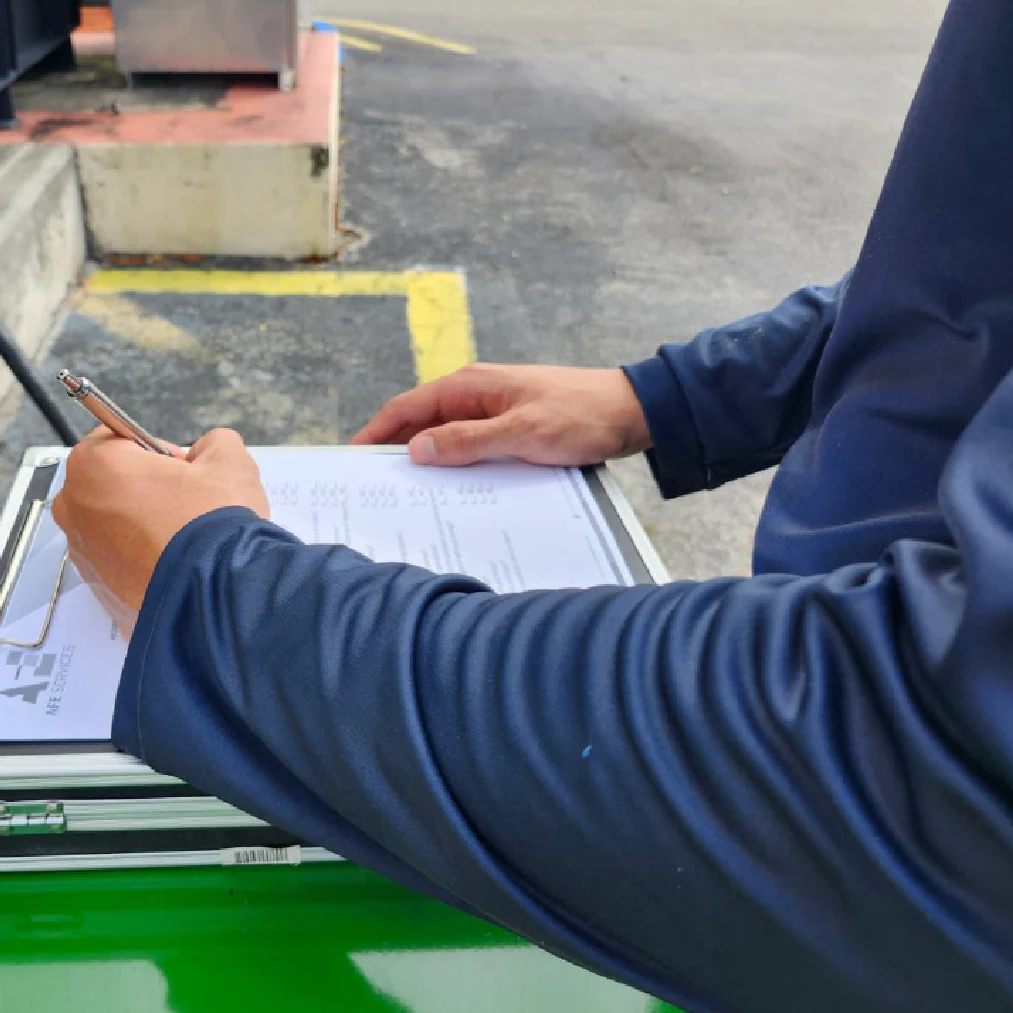
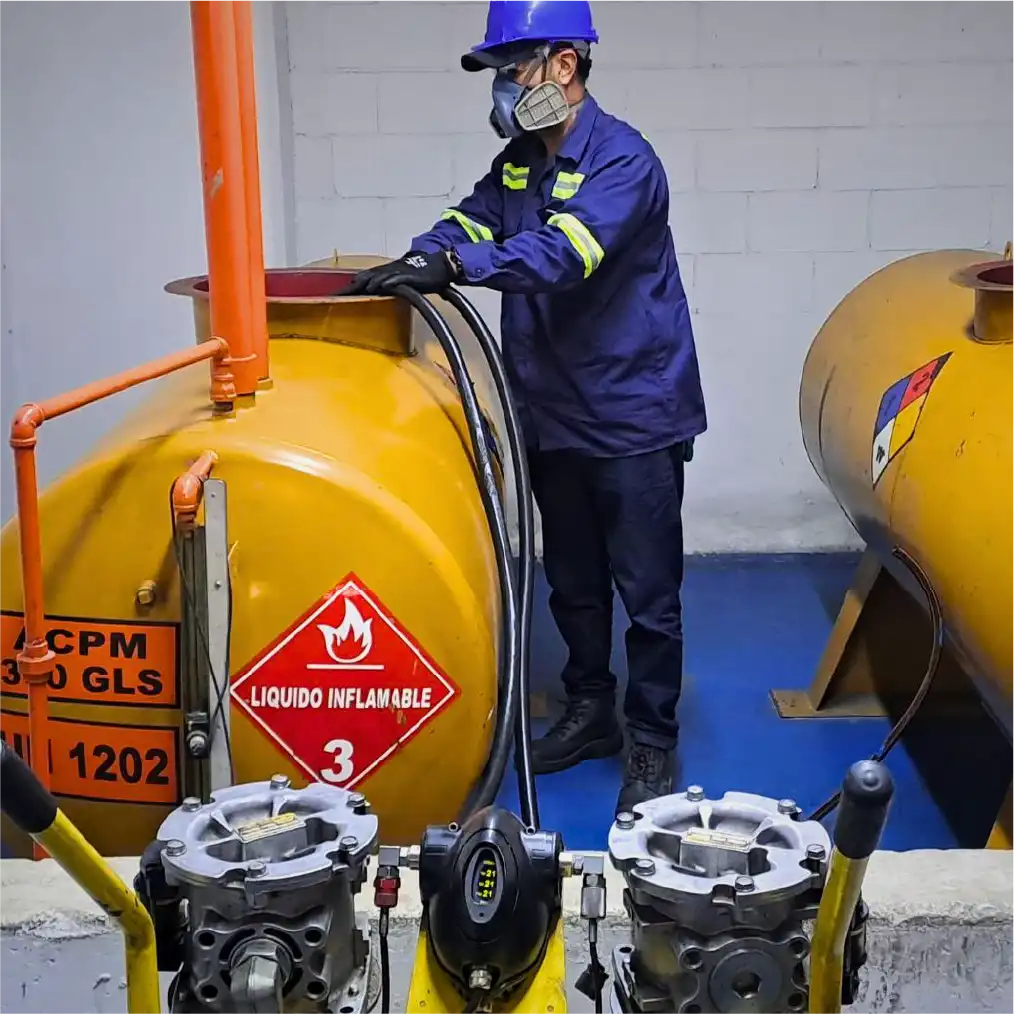

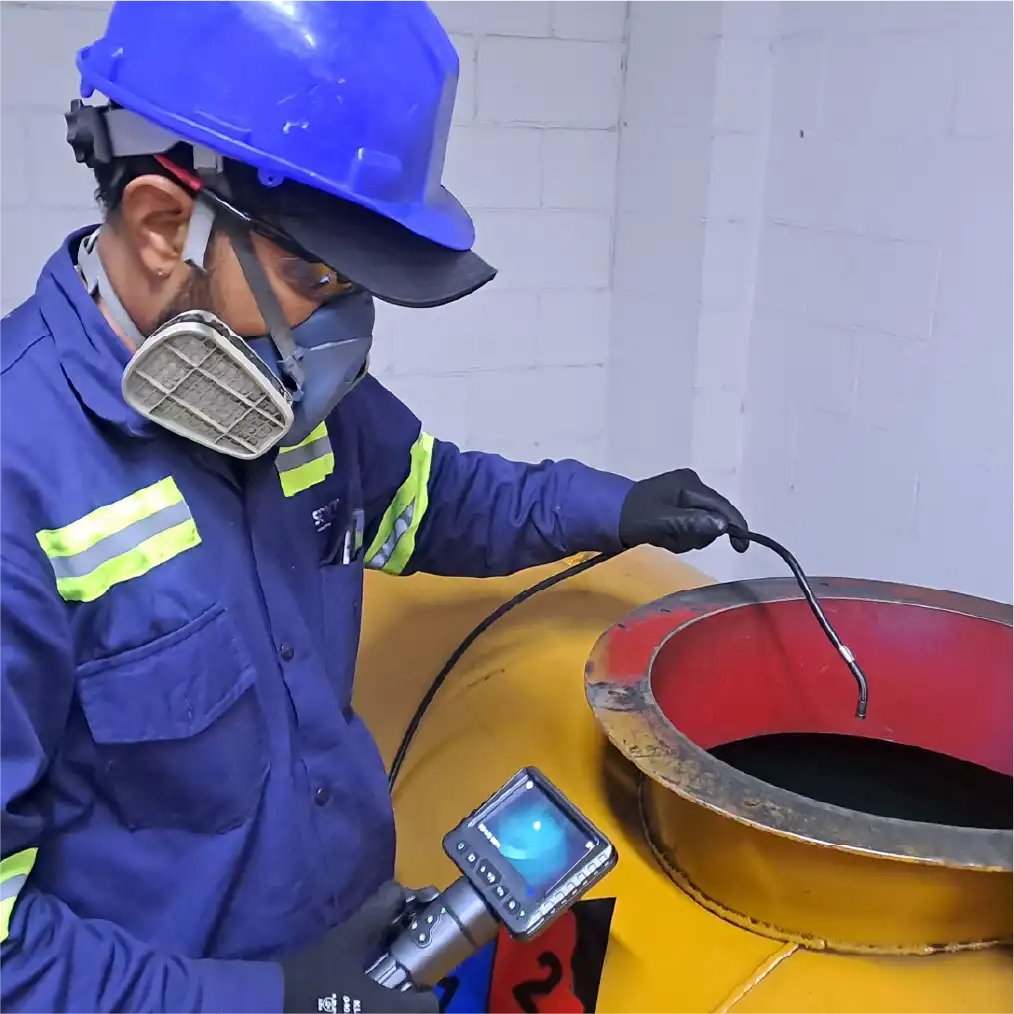
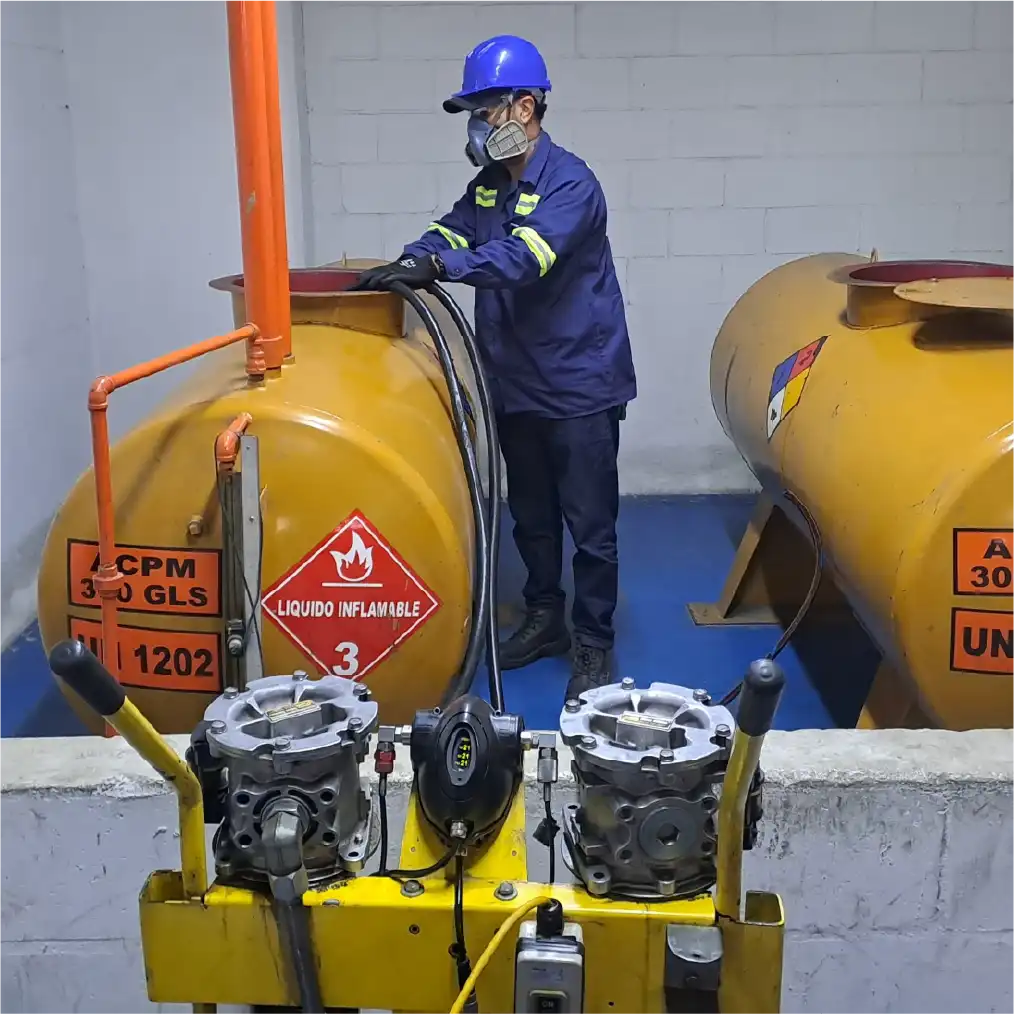
Key Benefits
Ensures fuel cleanliness and compliance with ISO 4406.
Reduces engine wear and maintenance costs.

Recovers otherwise unusable fuel.

Enhances operational efficiency and reliability of fuel-dependent equipment.

Removes free and emulsified water as well as fine particles down to 1–3 microns.
Prevents injector clogging in emergency backup generators, avoiding potential engine damage
Cleaning by Incursion Method
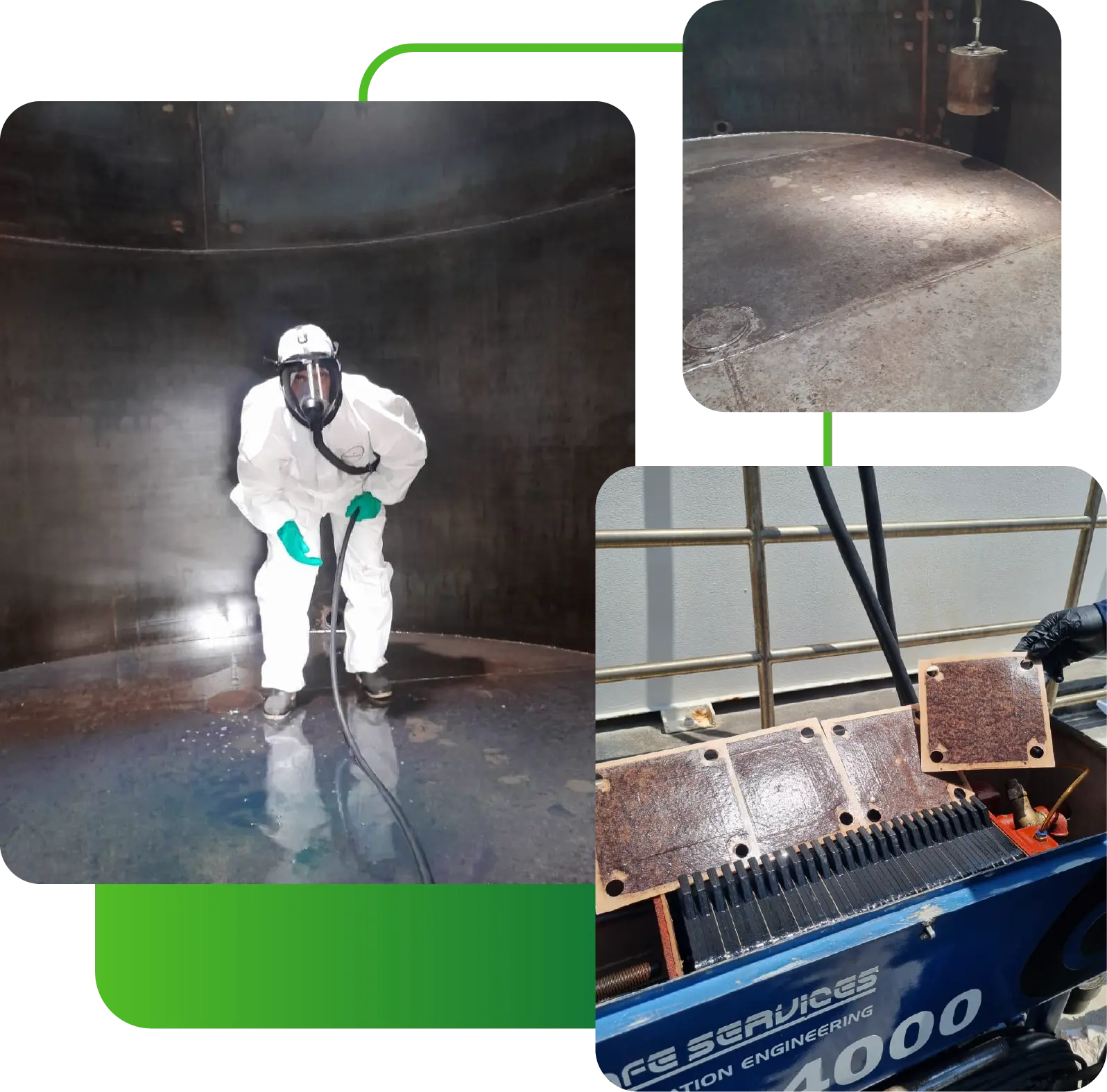
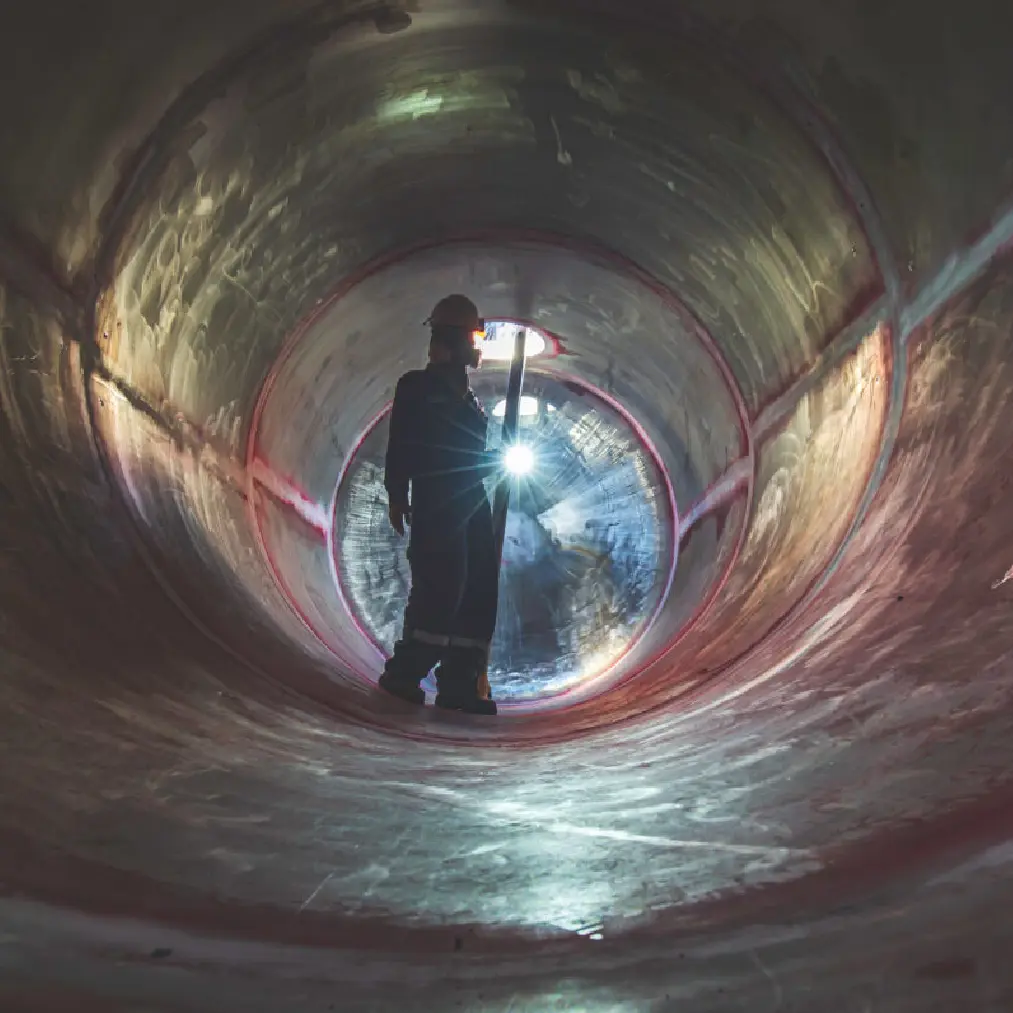
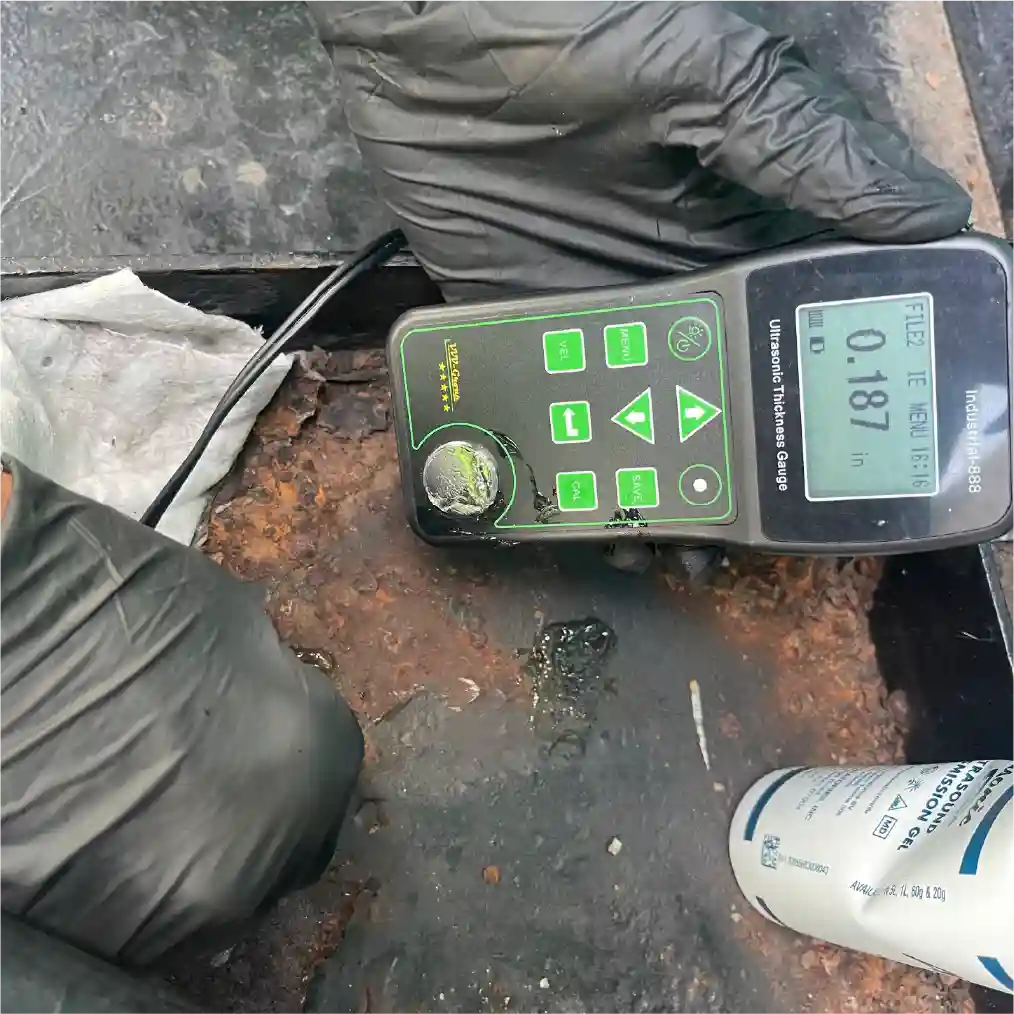
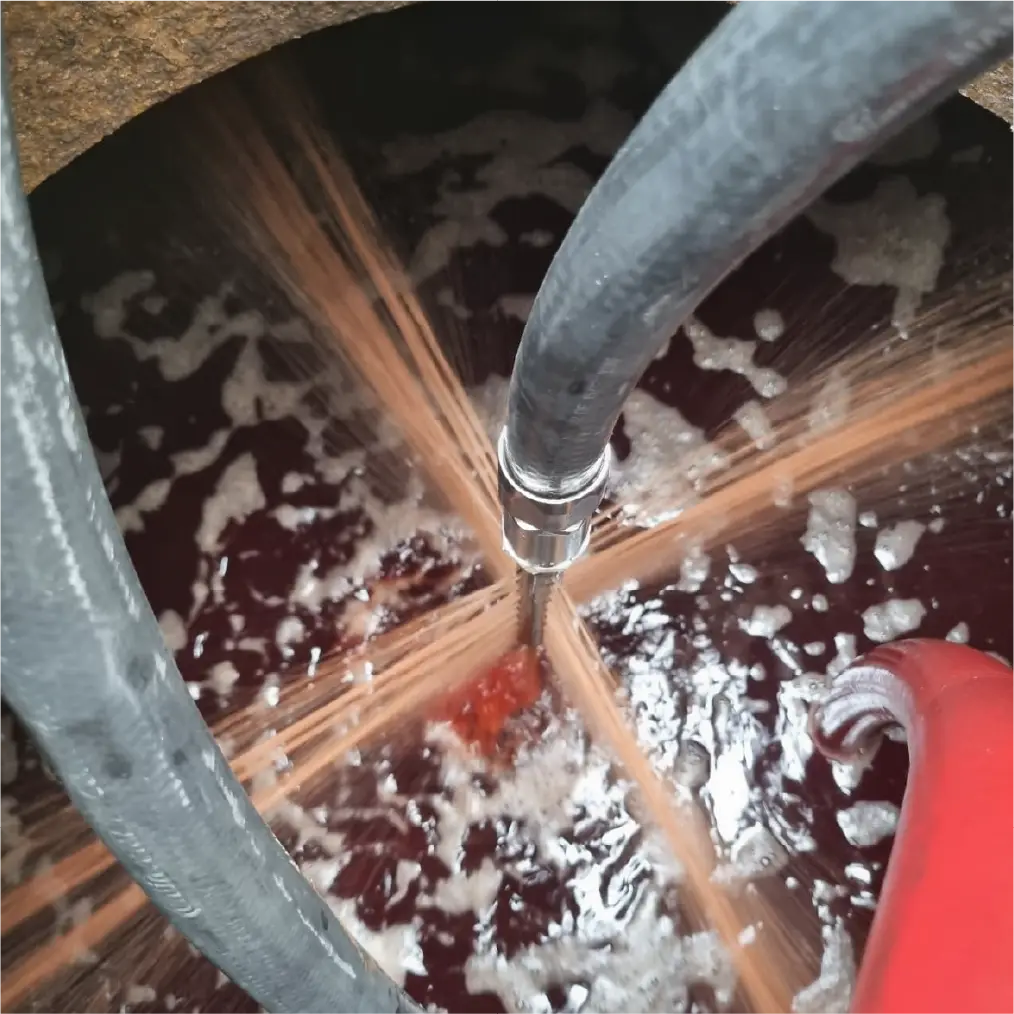
AFE Services provides a specialized service for the technical cleaning of fuel and oil tanks by incursion method using the confined space entry system, designed to ensure the highest quality and efficiency when maintaining these critical storage units. This service is crucial for tanks that show significant levels of contamination or deterioration, and it’s the best way to guarantee that the fuel or oil provided to machinery and equipment meets international standards for quality and cleanliness, specifically in line with the ISO 4406 Cleaning Code.
The cleaning process is performed by highly trained and certified personnel, who use specialized equipment designed for confined space entry. These tools ensure safety for both workers and the environment. This includes forced ventilation systems, gas monitoring devices, protective suits, and rescue equipment—all designed to carry out the task safely and effectively, even in complex and hazardous environments.
Technical cleaning not only removes contamination from the tanks, but it also prevents operational issues caused by debris, sediment, or contamination in the fuel or oil. This is key to ensuring continuous equipment availability and avoiding unexpected breakdowns, which can directly affect productivity. Without proper cleaning of the tanks, there is a significant risk of damage to equipment, operational failures, and, ultimately, reduced efficiency.
Specialized Equipment Used in Confined Space Operations
In confined space operations, especially for tasks like technical cleaning of fuel and oil tanks, specialized equipment is used to make sure the work is done safely and effectively. Here’s an overview of the most commonly used equipment:
Personal Protective Equipment (PPE)

Protective Suit
Protective Suit
- Purpose: To protect the worker from hazardous chemicals, gases, and contaminants inside the confined space.
- Features: Usually made from durable, sealed materials to keep out liquids, vapors, and particles. Suits can be hermetic (to block toxic agents) or semi-hermetic (to protect from liquids and dust).

Closed-Circuit Respirator (CCR)
Closed-Circuit Respirator (CCR)
- Purpose: To prevent inhalation of toxic gases or contaminants.
- Features: These respirators give workers autonomy by providing an independent oxygen supply and filtering the air through special filters, or they generate breathable air from an external source.
Gas Monitoring Systems

Portable Gas Detectors
Portable Gas Detectors
- Purpose: To continuously monitor for hazardous gases such as oxygen, carbon dioxide (CO₂), carbon monoxide (CO), volatile organic compounds (VOCs), or flammable gases.
- Features: Small, portable units with sensors specific to each gas. These detectors are essential in confined spaces to ensure oxygen levels are safe and that there’s no buildup of toxic or explosive gases.

Environmental Atmosphere Monitors
Environmental Atmosphere Monitors
- Purpose: To provide real-time monitoring of air quality inside the confined space.
- Features: Devices that continuously check oxygen levels, toxic gases, and flammable gases, ensuring the air stays safe before, during, and after the operation.
Forced Ventilation System

Industrial Fans
Industrial Fans
- Purpose: To ensure adequate airflow inside the confined space, helping to reduce the concentration of hazardous gases or prevent oxygen deficiency.
Trust AFE Services to keep your fuel tanks clean, safe, and compliant with ISO 4406 standards.
- projects@afeservices.us
- Sunrise, FL
Feel free to write Us